Why we doubt ourselves as we age

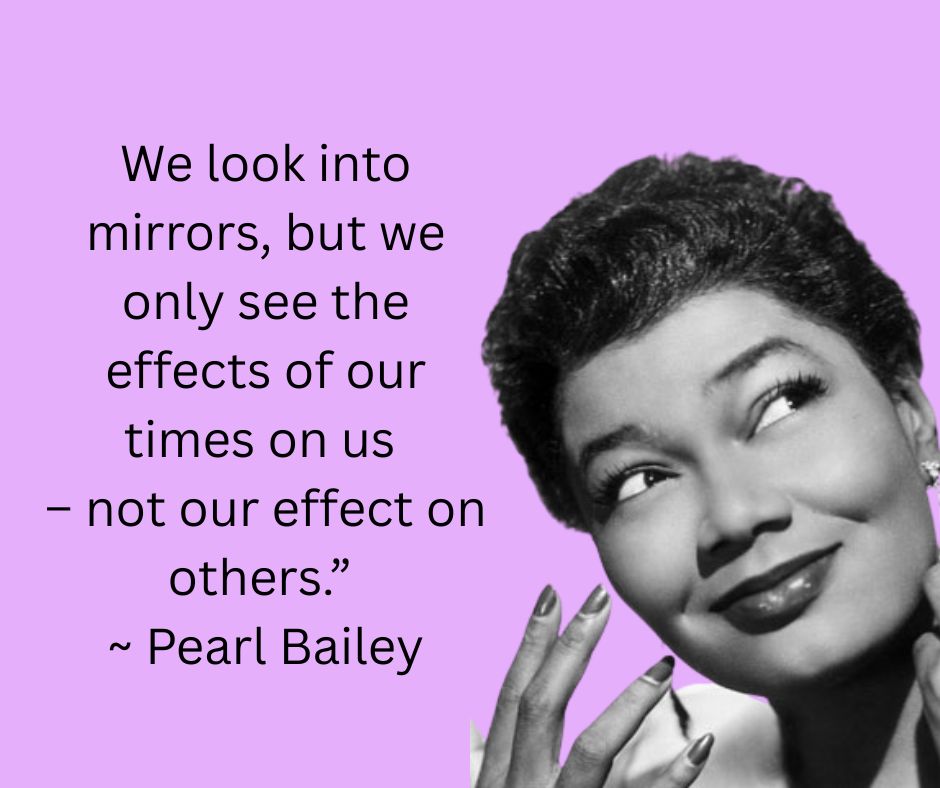
Ever look in the mirror and feel like a has-been? You catch a glimpse and see your mother staring back at you. Or have a moment when you see a photo of yourself from even a few years ago and think: “Wow, I looked better than I remembered!”
Reconciling the passage of time with our own desire to stay relevant is one of the most challenging aspects of growing older. Rather than doubting our abilities to make a difference, we should embrace ways to find our place by building connections.
Because aging brings shrinking circles — and sometimes loneliness — we are at increased risk of depression and other health issues. What’s the answer? Social connection is a powerful, free, and joyful form of preventive medicine.
Wired for connection
Our brains are wired for connection through conversation, touch, laughter, and shared purpose. Think of our need for connection as a requirement for daily dietary nutrients. People who are there for us reduce our stress hormones, boost our immune function, and help build our cognitive resilience. Even chronic pain can become more manageable.
Family and friends who share our history, participate in our lives, and give us feedback and counsel fill our connection bucket. Without them, we risk isolation and the risk of serious conditions ranging from cardiovascular disease to anxiety to dementia. Can connections completely remove the chance we will have health challenges? No. Can connections help us to get through physical and mental crises? 100% yes.
How to make friends as we grow older
Many people wait for friendships to “just happen,” but they rarely do past childhood or parenting years. So, the onus is on us to take the initiative. Some people seem born knowing how to make friends. They can chat up a lamppost and leave with its phone number. The rest of us need a strategy.
Here are five ideas for low stakes connecting:
- Invite someone to join you for coffee, class, or a walk. Nobody ever regrets being included.
- Introduce two people with similar interests. If they bond, congratulations—you’ve created a tiny new universe.
- Send “thinking of you” texts. A quick effort makes a huge impact.
- Say yes more often. The more we take a chance, the more good experiences we have.
- Join something with repetition: a book club, an interest organization, a faith group, a lecture series, or a fitness class. Showing up regularly provides a built-in way to connect.
Connector secret: most people are shy about reaching out, but grateful when someone else takes the lead. Being a connector creates friendships for yourself and for others.
The science behind connection
In his recently released book “Why Brains Need Friends”, author and neuroscientist Ben Rein emphasizes that good health occurs through connections which bring us closer to others rather than pulling us apart. “We are meant to be together”, he says, citing the data. When we connect, the brain releases “rewarding chemicals” making the experience pleasurable rather than burdensome. The opposite is isolation which Rein says is “agonizing, one of the worst fates a human can experience”.
Isolation is linked to a 32% higher risk of all-cause mortality, he reports. The challenge of isolation intensifies with age. By age 70, the average adult spends more than seven hours a day alone, a concerning trend, Rein argues. Yet the research is hopeful: increasing social contact later in life can make a difference.
Dr. Mark Lachs, co-chief of geriatrics and palliative medicine at Weill Cornell Medicine, believes people can change the course of their own aging. Even modest lifestyle changes – including building and maintaining healthy connections – can make a profound difference.
Belonging is medicine
As we age, connection becomes less about popularity and more about purpose and belonging. Friendship doesn’t require big gestures, just presence.
Aim for one connection a day: a text, a phone call, a walk with a friend, a lunch date, joining a group. Small connections made consistently have compounded results. A life rich in friends is a life that is more joyful, purposeful and healthy.
I would enjoy knowing your connection tips to promote good health. Please share them by writing me at AnnLoudenCo@gmail.com.

A seasoned executive in the nonprofit world, Ann Louden is the founder and CEO of Ann Louden Strategy and Consulting. Recognized for her expertise in fund raising, high profile special events, and campaign planning, Ann provides counsel to chief executives, staff, and volunteer leadership.
Ann’s primary interest areas are education, health care for women and children, the arts, and adoption. As a cancer survivor, she led and was the twelve-year spokesperson for a breast cancer advocacy initiative that engaged thousands of survivors, volunteers and medical providers. With a mantra of bringing big ideas to life, Ann focuses on identifying a compelling vision and creating a goals-oriented plan for execution.
An in-demand national speaker for the Council for Advancement and Support of Education, Ann is the recipient of the Steuben Excellence in Teaching Award and has been named as a CASE Laureate. She is the author of the upcoming book: From Social Courage to Connection: Lessons from Leaders Who Change and Save Lives.
You can find her at www.AnnLouden.com.