The Identity Shock of Retirement

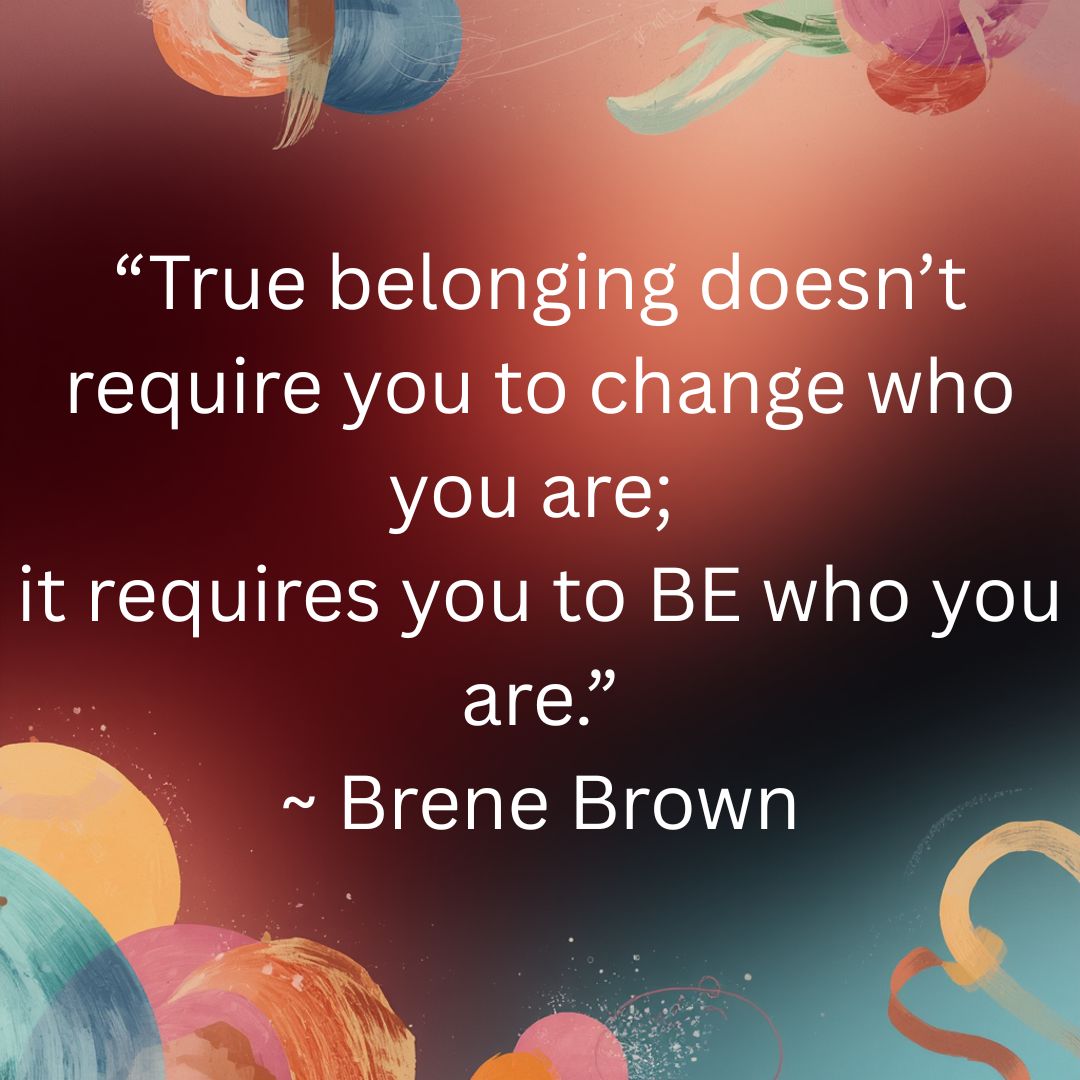
The Reality of “Mattering” in Retirement
If we’ve done retirement planning and considered what we’ll do once our professional careers have ended, it’s usually related to our future wealth and health. What comes next is less detailed in our minds. It will just happen, we imagine.
If we have good health and financial resources, we think we’ll travel. If we have children and grandchildren nearby, we envision spending more time with them and other family and friends. If we have relevant professional credentials, we believe we’ll be called on to offer expertise and wisdom in a consulting or volunteer role.
We expect retirement will change our schedules. We hadn’t thought about how we’ll explain ourselves.
Journalist Jennifer Breheny Wallace, author of the New York Times bestselling book When Achievement Culture Becomes Toxic and What We Can Do About It, postulates that the retirement crisis no one prepares for is the loss of “mattering”.
Throughout our lives, we get the greatest satisfaction from knowing we are valued by others and have added value to the world. A lot of us believe that the primary way we have added that value is through our work. The deep human need to be recognized for what we bring to the world takes the greatest hit as we age.
Introduced as an academic term in the 1980’s by sociologist Morris Rosenberg, the concept of mattering wasn’t talked about in the generations of our parents and grandparents. They knew the drill: you worked, raised a family, retired, and enjoyed your leisure time. But for baby boomers, we have been acculturated to equate our value with our work.
So, when the paychecks stop, what happens to our self-esteem?
The Identity Shock of Retirement
According to Wallace, more than 11,000 Americans turn 65 every day. By 2030, one in five will be retirement age. Because we live longer, the adjustment to non-working life is more likely to produce a heightened sense of loss and worry that we are not making a difference. Retirement without work removes the built-in validation loop.
Wallace calls it our “mattering span” or how we’ll continue to feel seen, heard, useful and capable. The crisis isn’t so much about boredom. It’s about relevance.
Why Connection is Essential Once Work Scaffolding Falls Away
Besides the loss of a paycheck (which is validation in itself), when we lose the structure of work, we also lose the structured circles that accompany it. That includes regular encounters with work colleagues, customers or clients we might have dealt with as a part of our jobs, and the professional peers with whom we interacted in our industries.
During our careers, we didn’t have to manufacture reasons to be connected. We just were. Once we leave an official role, contacts become less frequent and, often after a few years, our old work relationships drop out of sight.
This is also why isolation after retirement can quickly erode confidence. When no one is regularly engaging with who you are now, it’s easy to assume your most meaningful contributions are behind you.
They aren’t. They’ve simply changed shape.
Connection does something essential in this stage of life: it reflects us back to ourselves. Retirement doesn’t erase your identity. It hands it back to you – unlabeled – and asks what you’d like to build next.
Retirement relationships remind us that our stories, humor, perspective, and care have value beyond productivity. As David Brooks says: “There are two sets of virtues: the resume virtues and the eulogy virtues.“
In retirement, commit to connection in these ways:
- Recognize that connections replace your work titles and become your mirror. Start to see yourself through the eyes of those you are connected to in order to feel relevance and value. You’ll learn and see why you matter and the difference you make.
- Flex your connection muscle. If connections came easily to you in your past life, you may feel despair about how to re-engineer relationships. The best advice: say yes to And do the inviting yourself. Remember that extending an invitation is extending a bid for connection. And that can become a mutual exchange of mattering.
- Follow energy, not credentials. As you reshape your connections in retirement, look for places where your interest already exists. Classes, neighborhood activities, causes, and volunteer roles can all be satisfying. You are looking for shared curiosity, not resumes.
Connection will sustain your identity after work. I wish you many new relationships in retirement. Who you are has always mattered most. You are primed to discover how in new and exciting ways. Let me know how it goes for you at AnnLoudenCo@gmail.com.

A seasoned executive in the nonprofit world, Ann Louden is the founder and CEO of Ann Louden Strategy and Consulting. Recognized for her expertise in fund raising, high profile special events, and campaign planning, Ann provides counsel to chief executives, staff, and volunteer leadership.
Ann’s primary interest areas are education, health care for women and children, the arts, and adoption. As a cancer survivor, she led and was the twelve-year spokesperson for a breast cancer advocacy initiative that engaged thousands of survivors, volunteers and medical providers. With a mantra of bringing big ideas to life, Ann focuses on identifying a compelling vision and creating a goals-oriented plan for execution.
An in-demand national speaker for the Council for Advancement and Support of Education, Ann is the recipient of the Steuben Excellence in Teaching Award and has been named as a CASE Laureate. She is the author of the upcoming book: From Social Courage to Connection: Lessons from Leaders Who Change and Save Lives.
You can find her at www.AnnLouden.com.