Charitable Giving: Simple Ways to Give with Purpose

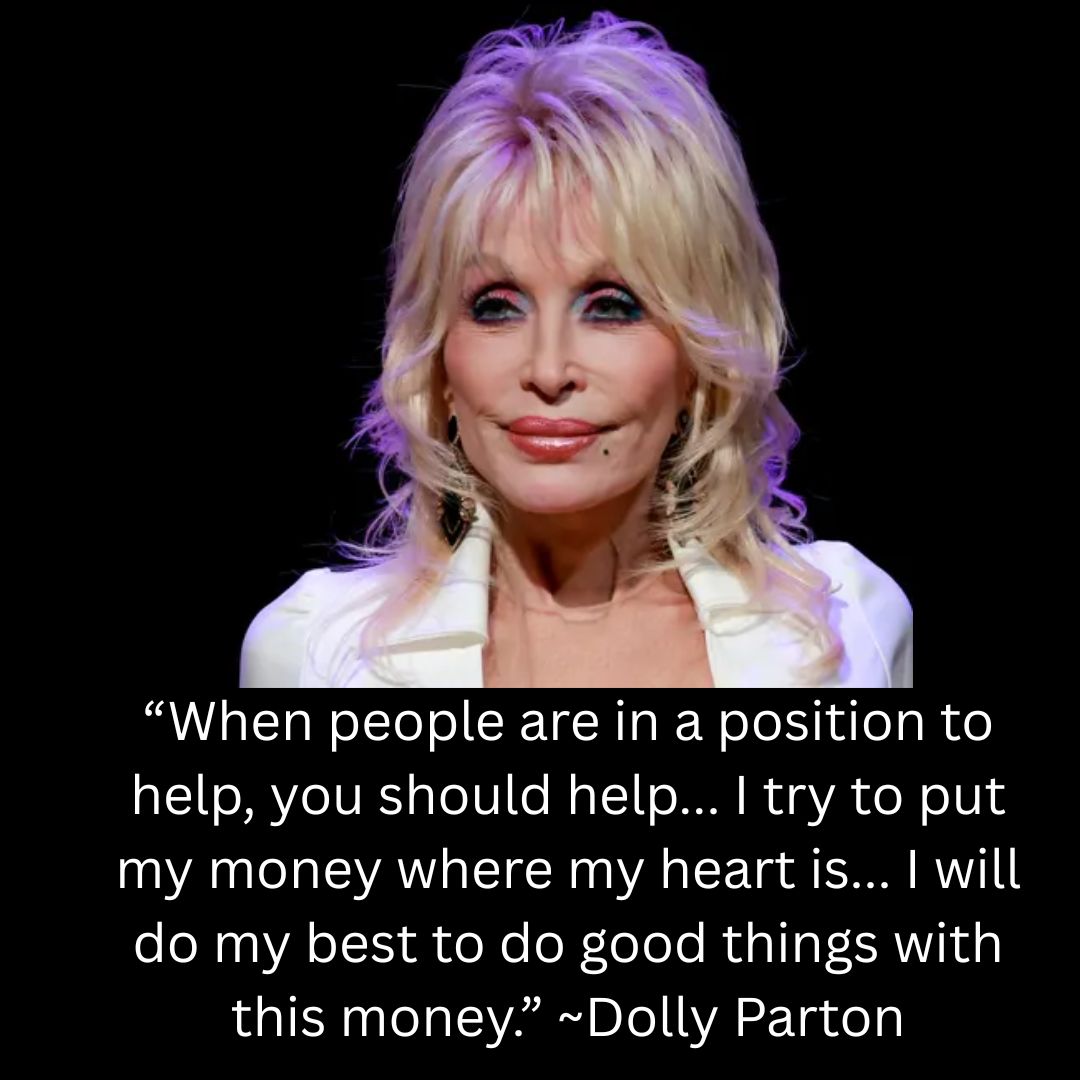
Many of us recently learned about how generous Dolly Parton was in providing charitable ways to help millions of children and other causes. We may want to consider giving to causes that we wish to support. We should be sure we proceed with our good intentions in a way that will achieve the maximum benefit to the cause we plan to help and be done in ways that keep us financially intact.
For many women, charitable giving becomes more than a yearly donation. It can be a meaningful way to support the people, communities, and causes that have shaped your life. It may also become part of a larger financial plan as you think about retirement, family, taxes, and the legacy you want to leave. Charitable giving does not have to be complicated. With the right approach, you can give generously, thoughtfully, and in a way that fits your stage of life.
One of the simplest questions to start with is: What do I want my giving to accomplish? You may want to support education, health care, the arts, faith-based work, animal welfare, women’s programs, or organizations that helped your family. You may also want to involve children or grandchildren, so they understand the values behind your generosity. Once your goals are clear, it becomes easier to choose the right strategy.
For those who want an easy, organized way to give, a donor-advised fund, or DAF, may be worth considering. A DAF works a little like a charitable account. You contribute cash, investments, or other assets to the fund, usually receive a tax deduction in the year of the gift, and then recommend grants to charities over time. This can be helpful if you want to simplify recordkeeping, plan several years of giving at once, or make a larger charitable contribution during a high-income year.
DAFs can also support a strategy called “bunching.” If your annual charitable gifts are not large enough to make itemizing deductions worthwhile, you might combine several years of giving into one year. You could contribute that larger amount to a DAF, potentially itemize deductions for that year, and then recommend grants to charities gradually. This strategy can be especially useful near retirement, after the sale of a business or property, or in any year when income is unusually high.
If you are age 70½ or older, a qualified charitable distribution, or QCD, may be another smart option. A QCD allows you to transfer money directly from an IRA to a qualified charity. Because the money goes straight to the charity, it generally does not count as taxable income. For individuals who must take required minimum distributions, a QCD can help satisfy those rules while also supporting a favorite cause. It can be particularly valuable if you do not itemize deductions but still want a tax-efficient way to give.
Another powerful approach is giving appreciated investments or real estate. If you own stock, mutual funds, or property that has grown in value, donating the asset directly to charity may help you avoid capital gains tax while allowing the charity to receive the full value of the gift. This can be a thoughtful way to rebalance a portfolio, simplify your finances, or make a larger impact without using as much cash.
If you want your giving to provide income during retirement. Charitable gift annuities and charitable remainder trusts may help accomplish this. With a charitable gift annuity, you make a gift to a charity and receive fixed payments for life or for a set period. With a charitable remainder trust, assets are placed in a trust that pays income to you or another beneficiary, with the remaining assets eventually going to charity. These options are more complex, but they can be useful when you want both charitable impact and a predictable income stream.
For families with significant wealth and a strong desire to build a long-term charitable legacy, a private family foundation may be appropriate. A foundation can allow family members to work together, support selected charities, and continue giving across generations. It can be a wonderful way to pass along values as well as assets. However, foundations require expenses related to legal setup, ongoing administration, recordkeeping, tax filings, and grant management. For many donors, a DAF may provide enough flexibility with far less complexity.
Charitable lead trusts are another estate-planning tool. In this arrangement, the charity receives income from the trust for a period of time, and the remaining assets later pass to heirs or other beneficiaries. This can be helpful for donors who want to transfer wealth to family while also supporting charitable causes now. Like other trust strategies, it should be reviewed carefully with financial, tax, and legal advisors.
No matter which strategy you choose, think about how charitable giving fits into your complete financial picture. Consider your retirement income needs, emergency reserves, health care costs, family obligations, estate plans, and tax situation. It is also wise to review beneficiary designations, wills, trusts, and powers of attorney so your giving goals work together with the rest of your plan.
Most importantly, charitable giving should feel personal. It should reflect your story, your values, and the difference you hope to make. Whether you give through a checkbook, a donor-advised fund, an IRA distribution, appreciated assets, or a trust, a thoughtful plan can help your generosity go further. Before making a significant gift, consider speaking with your financial advisor, tax professional, and estate-planning attorney so your giving supports both your charitable goals and your own long-term security.

Ella Newman
Ella Newman is a seasoned financial professional with more than thirty‑five years of experience advising individuals, families, business owners, and their professional partners. In her role at Norton Advisory Group, she serves as both a Financial Advisor and Business Development leader, helping clients implement insurance‑based strategies for retirement planning, estate planning, and business succession. She has held various leadership positions in nonprofits and community organizations She speaks about financial empowerment for women's groups. She achieved her MBA in Finance at Baruch College and undergraduate degree in Economics at CUNY. Ella is life insurance licensed in several states. Her spare time is involved with watercolor painting, arts, travel, writing and family.