
What Tomatoes Need to Know About the Vagus Nerve

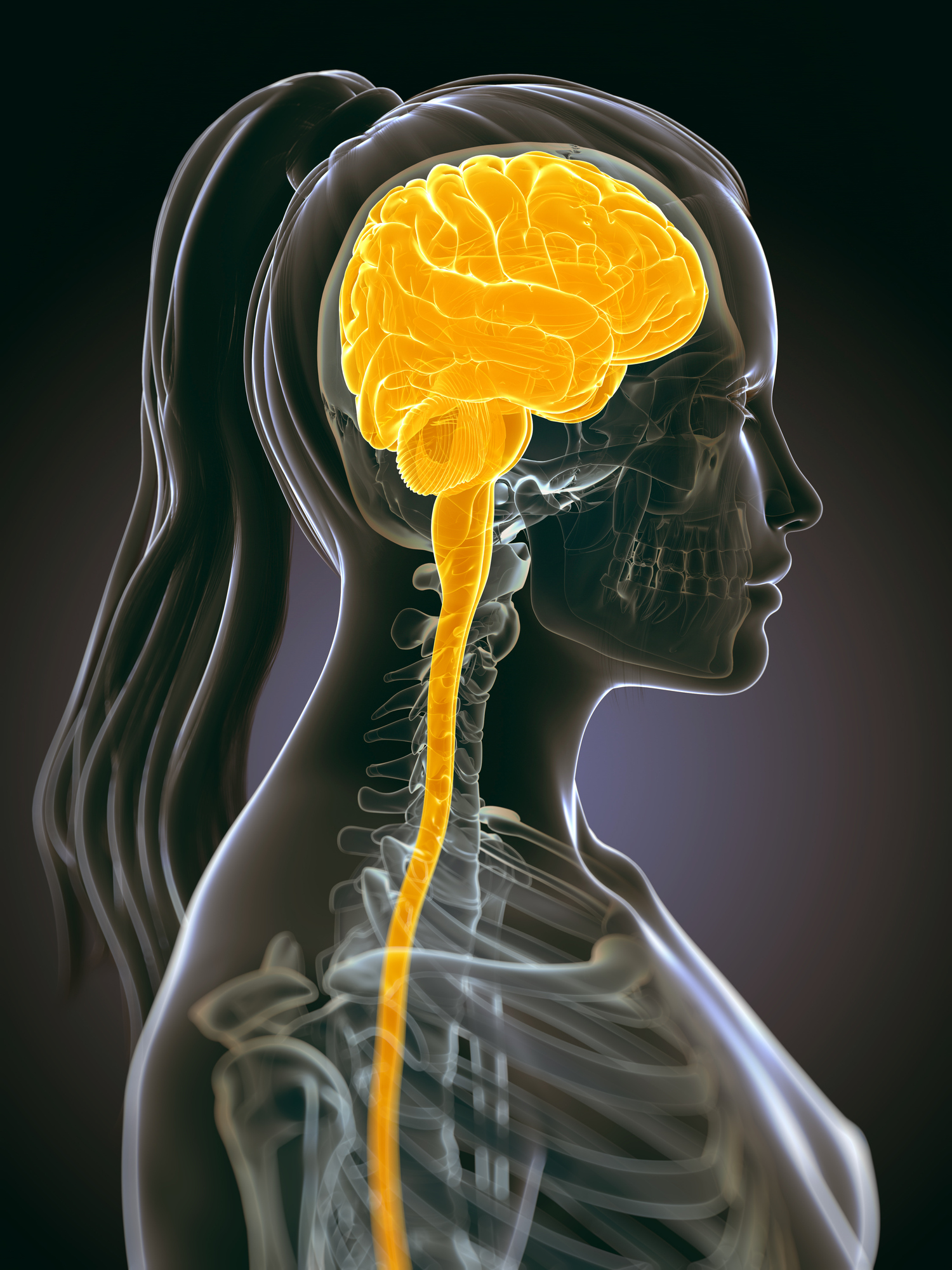
If you’ve been hearing more about the vagus nerve lately, you’re not alone. It’s suddenly everywhere — in conversations about stress, digestion, sleep, inflammation, anxiety, and even healthy aging. But unlike many wellness trends, this one is grounded in real neuroscience. For women in midlife and beyond, understanding the vagus nerve can be a game‑changer for emotional balance, resilience, and overall well‑being.
Meet the Vagus Nerve: Your Body’s Internal Peacekeeper
The vagus nerve is the longest nerve in the autonomic nervous system, running from your brainstem through your face, throat, heart, lungs, and digestive organs. Think of it as your body’s “rest and restore” superhighway — the main pathway that helps you shift out of stress mode and into calm, steady functioning.
When the vagus nerve is working well, you feel grounded, clear‑headed, and emotionally steady. When it’s sluggish or overwhelmed, everything from digestion to mood to sleep can feel off.
Why the Vagus Nerve Matters More in Midlife
As women move through menopause and beyond, hormonal shifts can make the nervous system more reactive. Hot flashes, disrupted sleep, increased anxiety, and changes in heart rhythm (including palpitations) are all influenced by the balance between the sympathetic system (fight‑or‑flight) and the parasympathetic system (rest‑and‑digest).
The vagus nerve is the command center of that parasympathetic system.
A well‑toned vagus nerve can help:
- Reduce stress reactivity
- Improve sleep quality
- Support digestion and gut health
- Lower inflammation
- Stabilize mood
- Regulate heart rate
- Enhance emotional resilience
In other words: it’s a powerful ally for navigating midlife with more ease.
Signs Your Vagus Nerve May Need Support
While only a clinician can diagnose medical conditions, many women notice patterns that suggest their nervous system is stuck in “high alert,” such as:
- Feeling easily overwhelmed
- Difficulty calming down after stress
- Digestive irregularities
- Shallow breathing
- Trouble sleeping
- Heightened anxiety or irritability
These experiences are common — and often improve with simple vagus‑supporting habits.
Everyday Ways to Support Your Vagus Nerve
You don’t need special equipment or complicated routines. Small, consistent practices can strengthen vagal tone over time.
- Slow, diaphragmatic breathing
Long exhales activate the vagus nerve. Try inhaling for 4 counts, exhaling for 6.
- Gentle movement
Walking, yoga, stretching, and tai chi all help regulate the nervous system.
- Cold exposure (mild and safe)
A splash of cool water on your face or a brief cool rinse in the shower can stimulate vagal pathways.
- Humming, singing, or chanting
The vagus nerve passes through the throat — vibration helps activate it.
- Social connection
Warm conversation, eye contact, and laughter are powerful vagal stimulators.
- Mindfulness and grounding
Even 2–3 minutes of presence can shift your physiology.
- Gut‑friendly habits
Because the vagus nerve connects directly to the digestive system, nourishing your gut supports your nervous system too.
The Vagus Nerve and Heart Health
Many Tomatoes are surprised to learn that the vagus nerve plays a role in heart rhythm regulation. While it’s not a treatment for heart conditions, a well‑regulated nervous system can support overall cardiovascular balance — especially important for women post‑menopause, when heart risks rise.
The Bottom Line
The vagus nerve isn’t a trend — it’s a built‑in biological tool for calm, connection, and resilience. And the more we understand it, the more empowered we become to support our emotional and physical well‑being, especially during the transformative years of midlife.
*****
This article is for informational and educational purposes only and is not a substitute for professional medical advice, diagnosis, or treatment. Always consult with a qualified healthcare provider regarding any questions you may have about a medical condition or before making changes to your health or wellness routine.



This was VERY interesting! It may explain why, when I sometimes start a piano shift feeling kinda logy/out of sorts, then feel so much better after a few minutes of singing and playing 👍 Thanks so much for this article 🙏🏻😘