Spotlight on Long Island: Cinco de Mayo: The Story Behind the Celebration

More than a party, it’s a lesson in history, culture, and connection.
When we understand the meaning behind a celebration, we don’t just join it, we honor it.
Every year, as May 5th approaches, we begin to see festive decorations, restaurant specials, and social media posts celebrating Cinco de Mayo. But the truth is, what many believe this holiday represents is often far from its real meaning.
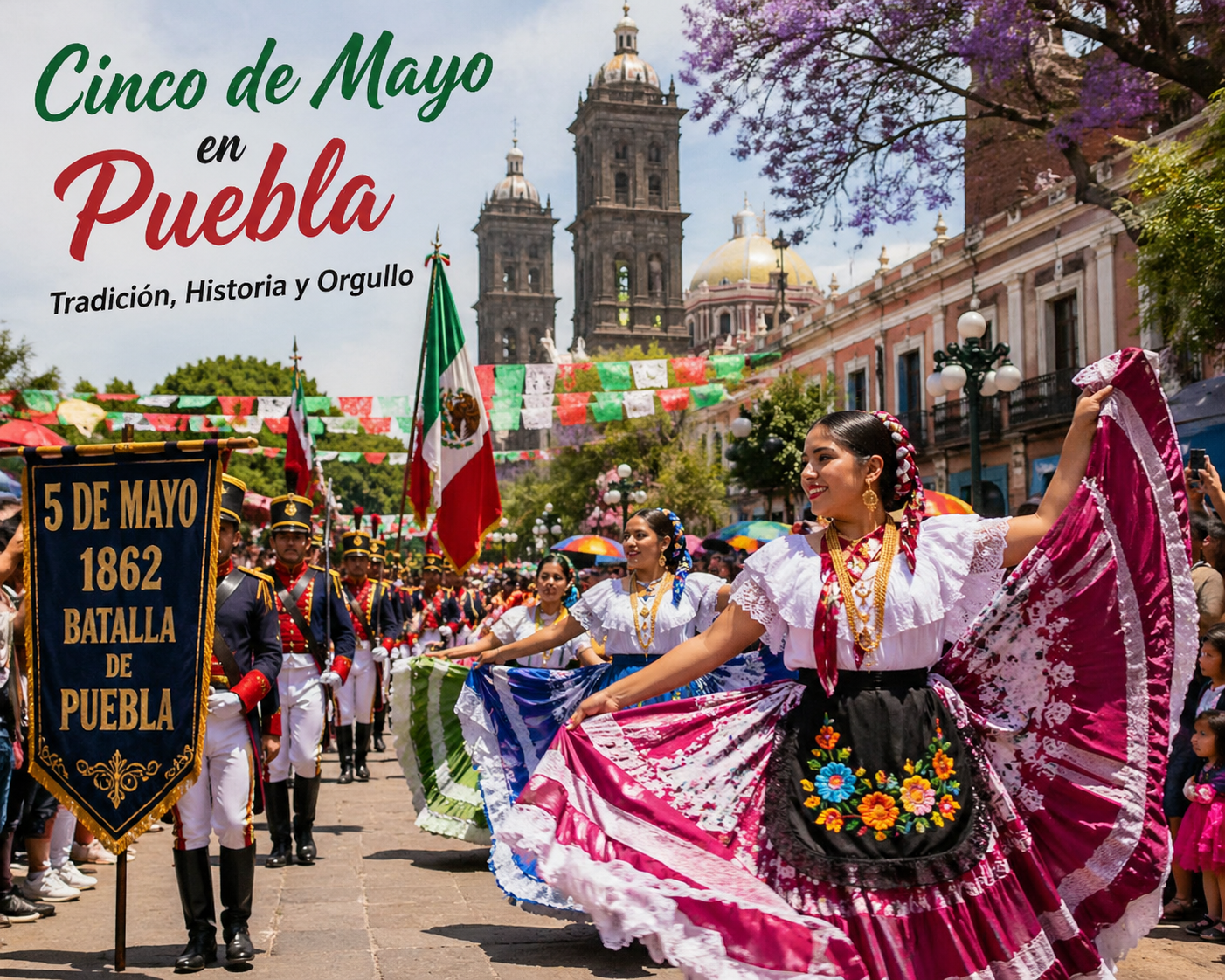
Cinco de Mayo is not Mexico’s Independence Day. That honor belongs to September 16. Instead, Cinco de Mayo commemorates a remarkable and unexpected victory: the Battle of Puebla, where, on May 5, 1862, a smaller and less-equipped Mexican army defeated the powerful French forces in the city of Puebla. It was a moment of resilience, pride, and unity, a reminder that courage can triumph against all odds.
In Mexico, this day is primarily celebrated in Puebla itself, where the victory took place. The streets come alive with parades, reenactments, traditional music, and cultural pride. Children march. Scenes are reenacted. History is brought to life in a way that ensures it is never forgotten.
Beyond Puebla, however, the day is observed much more quietly. For many across Mexico, it is a normal working day. It is a respectful nod to history rather than a nationwide celebration.
Yet here in the United States, Cinco de Mayo has grown into something much bigger. That didn’t happen overnight.
Cinco de Mayo began to take its roots in the United States in the 1860s, when Mexican-Americans, especially in California, celebrated the victory at Puebla as a symbol of resistance and hope. During the American Civil War, the meaning deepened, as many saw Mexico’s triumph over a European power as a shared stand for freedom.
For many years, it remained a regional and cultural observance.
Then, in the 1960s, during the Chicano Movement, Cinco de Mayo was revived as a powerful expression of Mexican-American identity and pride. It became a way to honor heritage, celebrate culture, and strengthen community.
By the 1980s and 1990s, the celebration expanded even further. Festivals grew. Parades spread. Businesses embraced the day, and it quickly became a nationwide event.
Today, Cinco de Mayo in the United States is widely celebrated with food, music, and gatherings honoring a vibrant tribute to Mexican culture. But in many ways, it has drifted from the very history that gave it meaning.
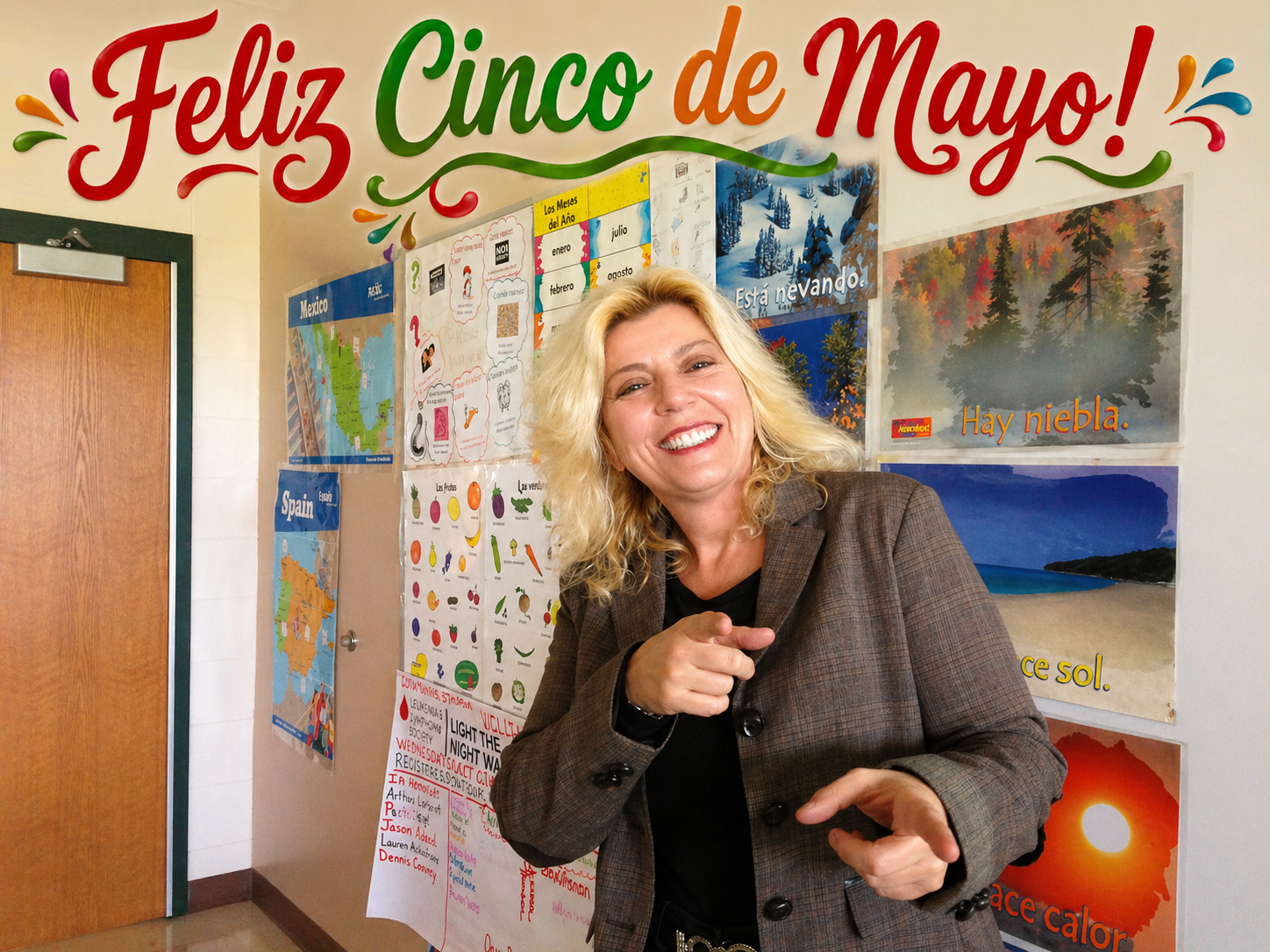
As a former Spanish teacher, this is where my heart always lived. I didn’t just teach language. I taught culture. In my classroom, Cinco de Mayo was never just a date on the calendar. It was an experience.
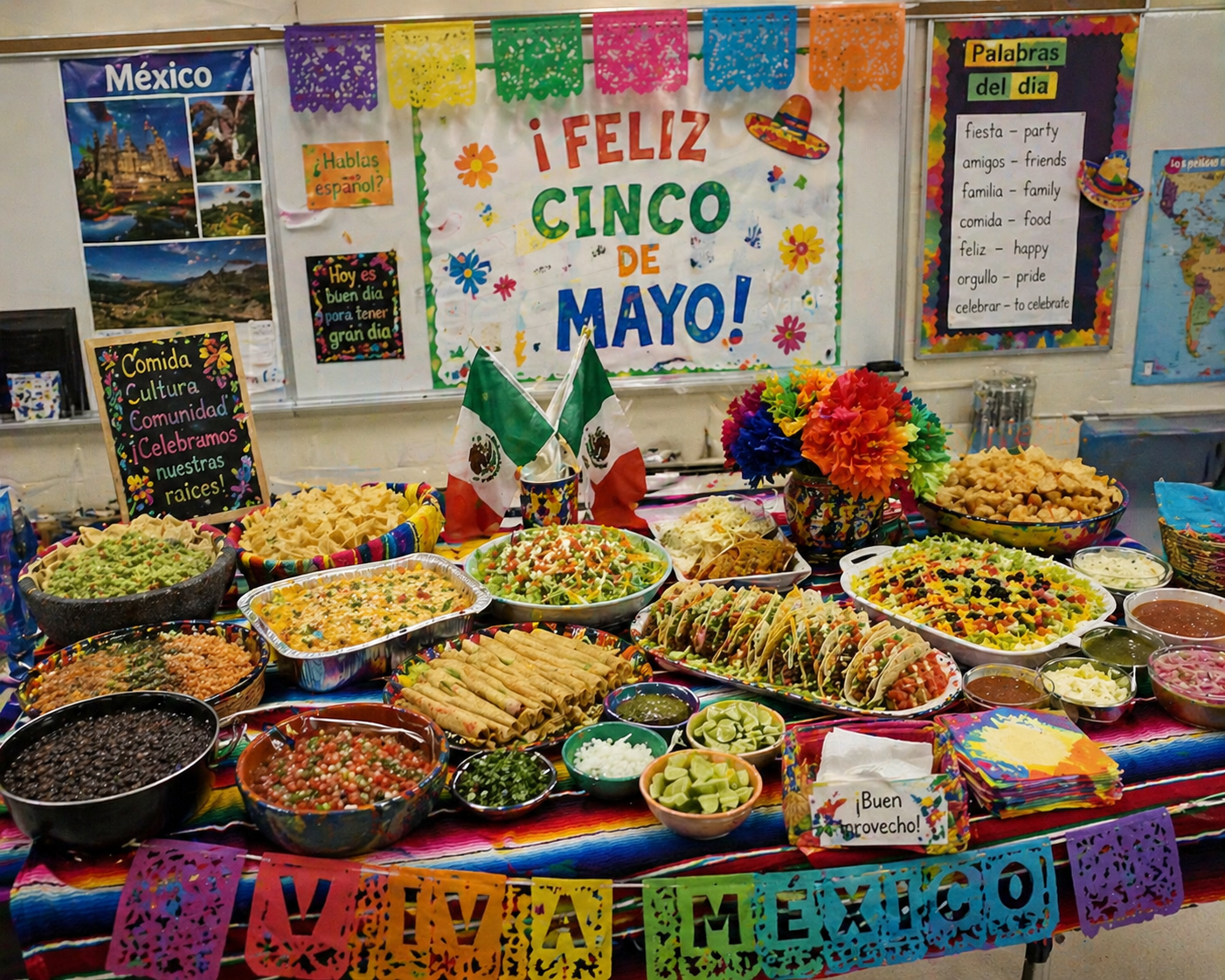
We transformed our classroom into a celebration of Mexican heritage. Students learned the story behind the Battle of Puebla. They tasted traditional foods, listened to music, and experienced the richness of another culture. Parents became part of it too, bringing dishes, sharing traditions, and helping create something truly special. There was learning. There was a connection. There was an appreciation of culture. These moments stayed with my students long after the food was eaten.
When we take the time to understand the traditions, history, and meaning behind another culture, something shifts. We move from simply observing to truly connecting. We begin to see the world through a wider lens, one filled with respect, curiosity, and gratitude.
As a teacher, that was always my hope, not just that my students would learn Spanish, but that they would carry with them a deeper appreciation for the richness of other cultures. As a columnist now, I want to continue sharing this same hope with my readers. When we honor the stories, celebrations, and histories of others, we don’t lose our own traditions, we enrich them.
And in doing so, we pass on something even more meaningful to the next generation: understanding, respect, and a genuine sense of connection that lasts far beyond any one celebration.
As we celebrate Cinco de Mayo across Long Island and beyond, it’s a beautiful opportunity, not just to enjoy the festivities but to remember the story behind them. To teach it. To share it. And to enjoy the Mexican food and drinks! Because somewhere along the way, Cinco de Mayo became the perfect excuse for a girls’ lunch, a spontaneous dinner out, or that text that simply says, “Margaritas today?” And no one says no.
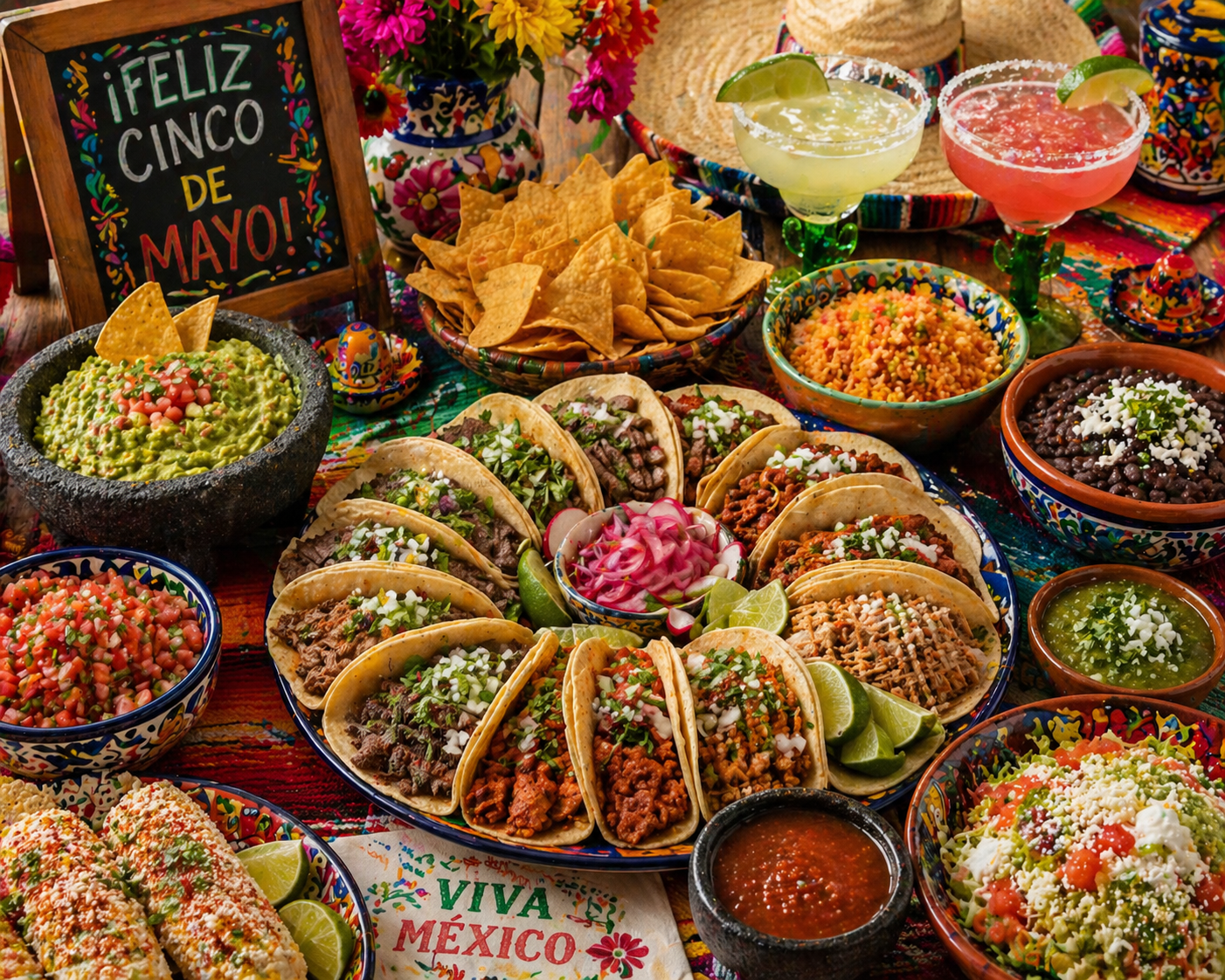
Tables across Long Island fill quickly with chips arriving before we’ve even opened the menus, guacamole that’s worth ordering and reordering, tacos piled high, enchiladas bubbling with sauce, and that comforting side of rice and beans we all say we’ll just have a “little” of.
And then come the margaritas.
Frozen, on the rocks, with salt, without salt, everyone has their favorite. One turns into two, laughter gets a little louder, and suddenly someone is confidently saying “una más, por favor” like they’ve been practicing all year.
Because on Cinco de Mayo, the calories don’t count (and neither do refills).
So, whether you’re meeting friends at your favorite local spot, hosting a festive dinner at home, I raise my glass to you with a smile and offer you a “Buen provecho!”
However you celebrate, I wish you a Feliz Cinco de Mayo—con amor y alegría.
—Andrea

Andrea Peponakis
Andrea Peponakis is a retired foreign language teacher who then became a local newspaper journalist and local radio show host. Born and raised in Astoria, Queens and on Long Island, Andrea is now focusing on writing children’s books. The motivation to become an author was inspired by her three grandchildren. Her book, Grandma, Grandma, Tell Me More: My Family Loves Me, was featured at this year’s London Book Festival and at The LA Times Book Fair. Andrea currently resides on Long Island near her children and grandchildren. Her days are spent creating everlasting memories with her grandchildren and writing.