Red Light Therapy: What You Need to Know


Cheryl Benton, aka The Head Tomatoes, get a red light mask treatment at the Guerlain Spa in NYC
Red light therapy has moved from a niche wellness trend to a widely adopted practice in homes, spas, and dermatology clinics. Its appeal comes from a blend of gentle, non‑invasive technology and a growing body of research suggesting benefits for skin health, recovery, and overall vitality. As consumer devices become more accessible and full‑body spa beds gain popularity, it’s worth taking a balanced look at what the therapy can realistically offer—and where caution still matters.
The head tomato in the photo above recently experienced a red mask treatment at a spa event. She found it very relaxing, and when the mask was removed after 10 minutes, the group thought her skin looked plumper. We have also been using a hand wand redlight therapy device, but it’s too soon to report results.
What Red Light Therapy Is
Red light therapy uses low‑level wavelengths of visible red light (630–680 nm) and near‑infrared light (810–850 nm). These wavelengths don’t tan the skin or expose you to UV radiation, a point emphasized by the Cleveland Clinic, which notes that red light therapy “does not use ultraviolet (UV) light” and is considered non‑invasive and gentle for most skin types.
The light is absorbed by mitochondria, where it can support energy production and cellular repair.
Because red light works at the surface and near‑infrared penetrates deeper, the therapy is used for both cosmetic and therapeutic goals—from brightening skin to easing muscle tension.
Why It’s Popular
- Non‑invasive and drug‑free
- Safe for most skin types
- Easy to use consistently at home
- Supports both aesthetic and wellness goals
- Pairs well with existing skincare routines
The American Academy of Dermatology highlights LED‑based treatments as safe options for improving skin appearance when used properly
Effectiveness: What Research Supports
Evidence is strongest in a few areas:
- Skin rejuvenation — Peer‑reviewed studies in the Journal of Photochemistry and Photobiology show improvements in fine lines, firmness, and radiance due to increased collagen activity.
- Muscle recovery — Research published in Physical Therapy in Sport suggests near‑infrared wavelengths may help reduce soreness and support post‑workout recovery.
- Inflammation and circulation — NCCIH notes that photobiomodulation may support reduced inflammation and improved blood flow.
Where evidence is mixed or early:
- Weight loss or fat reduction
- Mood or energy enhancement
- Broad “anti‑aging” or systemic health claims
Consistency is key. Benefits typically appear after repeated sessions over several weeks.
Consumer Devices
A growing range of at‑home devices makes red light therapy accessible for daily use.
Here is a recent review of at home devices from The New York Times.
These devices vary in intensity, coverage, and price, making it easy to find an option that fits your routine.
Full‑Body Red Light Therapy in Spas
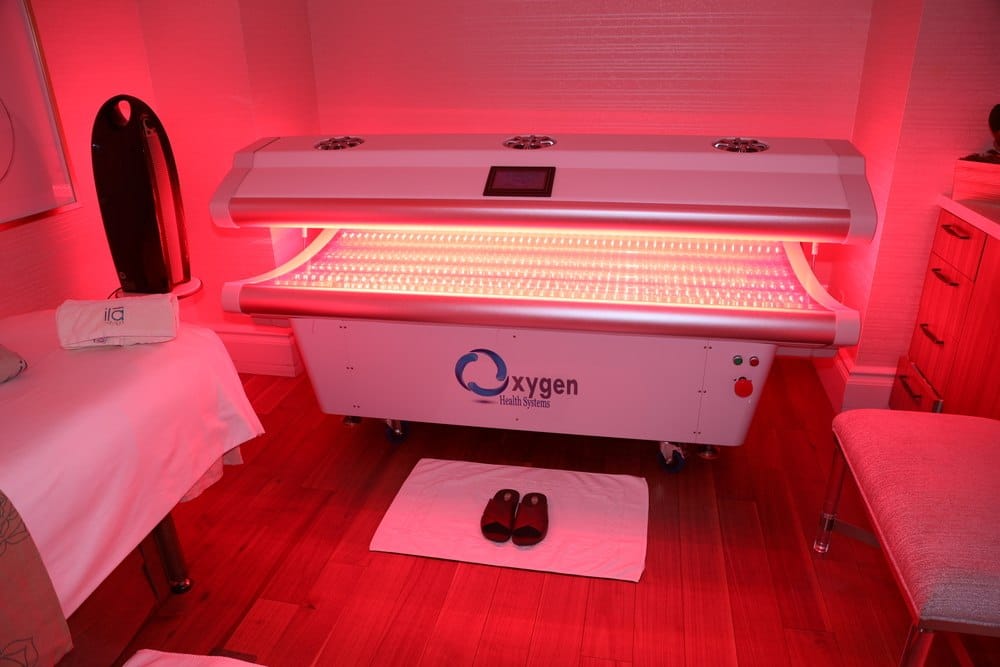
REd Light Therapy Bed at the Ila Only Spa in NYC
Full‑body red light beds—often resembling tanning beds but without UV—are becoming signature offerings in modern spas. They use arrays of LEDs to bathe the entire body in therapeutic wavelengths in a single session.
They’re marketed for:
- Skin rejuvenation
- Muscle recovery
- Inflammation reduction
- General vitality and relaxation
For many people, the appeal is the convenience of treating the entire body at once.
Safety: What’s Known and What to Watch
Red light therapy is generally considered safe when used correctly. Cleveland Clinic notes that the treatment uses low levels of heat and does not burn the skin.
Mayo Clinic adds that LED light therapy is non‑invasive and typically well‑tolerated.
Still, a few considerations matter:
- Eye protection is essential. The American Academy of Dermatology emphasizes proper eye shielding during light‑based treatments.
Photosensitivity matters. Certain medications and conditions can make skin more reactive to light. - Mild reactions are possible. Temporary redness or tightness may occur, especially with frequent sessions.
- Device quality varies. Certified, medical‑grade systems are more predictable in output and safety.
People who are pregnant, have active skin conditions, or have a history of light sensitivity should check with a clinician before using full‑body systems.
How to Choose a Spa or Device
A reputable spa or device manufacturer should:
- Use FDA‑cleared or medically certified equipment
- Provide eye protection and clear usage guidelines
- Set realistic expectations about results
- Avoid sweeping medical claims
- Maintain proper hygiene and device maintenance
If a provider promises dramatic weight loss, disease treatment, or “reverse aging,” that’s a sign to be cautious.
The Bottom Line
Red light therapy offers a compelling blend of gentle technology and meaningful benefits. It can support skin health, ease muscle tension, and enhance overall wellness—especially when used consistently. While the therapy is generally safe, choosing high‑quality devices or reputable spa providers and understanding realistic outcomes ensures the best experience.
Additional Sources:
Red Light Therapy: What the Science Says Stanford
Benefits of Red Light Therapy: UCLA
Disclaimer
This article is for informational purposes only and is not a substitute for professional medical advice, diagnosis, or treatment. Always consult a qualified healthcare provider before beginning any new wellness therapy, especially if you have underlying health conditions, are pregnant, or take medications that may increase light sensitivity.