How Fear Distorts Everything

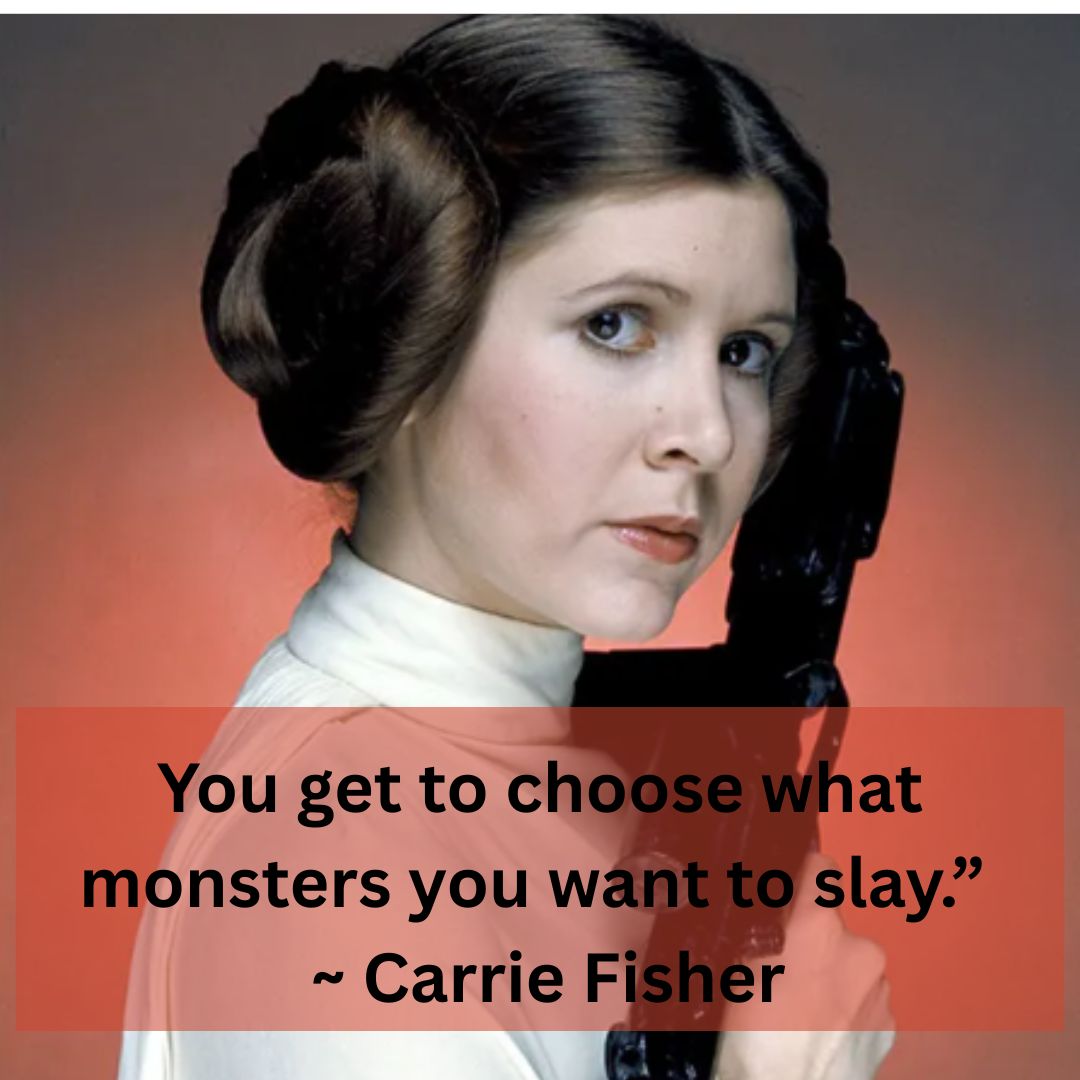
Ever find yourself feeling afraid and unsure what to do next? Does that fear energize or paralyze you?
For most of us, fear sets up a sense of powerlessness, at least initially. We can’t see through the panic to identify options. Our problem-solving skills go wonky. Our emotions run high, and our brain doesn’t process ideas as efficiently as when we are calm. We become reactive, rather than proactive. We keep our heads down and stay quiet so as not to attract attention.
Fear doesn’t just warn us of impending danger (real or perceived). Sometimes it traps us. And that trap often looks like isolation.
Why Your Brain Tells You to Retreat – and Why It’s Wrong
Just when we need to reach out for support and connection, we withdraw into our shells, unsure of who to trust or where to get help. Loss, rejection, illness or sudden change can make being alone feel safer than vulnerability. Does this sound familiar?
Here’s why it happens: our brain’s natural response to stress activates the nervous system, which in turn casts about for emotional safety. Fear triggers an emotional shutdown and replaces our sense of equilibrium with a misguided but understandable self-protective stance.
When your body is flooded with stress hormones, your decision-making skills are temporarily suppressed. Thinking becomes black and white. Rather than imagining possibility, instead you scan the horizon for danger.
You don’t just feel afraid – you become neurologically less capable of choosing wisely. Fear doesn’t just reside in your heart. It lives in your nervous system.
Don’t Let Fear Make You Hide
In my own life, there have been many times I have been afraid:
- At a cancer diagnosis.
- When my young child was in danger.
- At being trapped in a scary situation.
- When I was unsure what my next professional move needed to be.
In each case, after the first wave of worry washed over me, I did what I urge you to do:
Make a connection. Talking to others regulates the nervous system. It provides soft support in the form of listening, getting constructive feedback, and idea generation to help you set a new course.
Especially in times of peril, our connections become emotional oxygen. Especially in times of peril, our connections help us slay the monster, almost always impossible to do alone.
Don’t believe me? Think back to a time you faced a crisis. When you had the help of others, was there a better outcome? Did you feel more capable of moving through the tough times? Were you grateful to have someone to share your struggles with?
Choosing Connection Can Sometimes Feel Risky
When we worry about whether to open up to others, it may be because we’ve convinced ourselves of one of four scenarios:
- We will be rejected.
- Revealing what’s wrong will feel awkward.
- We will become a burden.
- We will have to admit we must start over.
To assess if the risk is greater than the reward, you must believe that making a connection will provide three things you don’t have in the moment:
Objectivity – Friends, family, colleagues often have a clearer picture of your situation than you do. They can see all around you. You can only see what’s directly in front of you.
Wisdom – Our support network can bring life experience and professional resources to bear on our circumstances that we cannot. In times of crisis, we need wise counsel that is not our own.
Strategy – The best of plans are made in concert with others who can suggest alternative ways to look at your situation. Self-help is of limited or no value. We are often the exact wrong people to help ourselves.
It Takes Courage to Reappear
When you are afraid, your brain tells you to retreat. Retreating is understandable. But staying hidden is dangerous.
We inflict a quiet damage on ourselves in emotional retreat. Our self confidence takes a beating. We become more fearful and less trusting. We doubt our abilities. A vicious cycle sets up a downward spiral.
Long-term retreat brings on an even greater set of challenges:
- Emotional stagnation with an inability to form and keep healthy relationships.
- Physical health decline, including a suppressed immune system.
- Deepening sadness or low grade depression.
- A shrinking world.
The room gets quieter. The calendar emptier. The world smaller. There are people waiting just outside your door. Move through your fear. Give them a chance to help.
Please share with me how connections have helped you at AnnLoudenCo@gmail.com

A seasoned executive in the nonprofit world, Ann Louden is the founder and CEO of Ann Louden Strategy and Consulting. Recognized for her expertise in fund raising, high profile special events, and campaign planning, Ann provides counsel to chief executives, staff, and volunteer leadership.
Ann’s primary interest areas are education, health care for women and children, the arts, and adoption. As a cancer survivor, she led and was the twelve-year spokesperson for a breast cancer advocacy initiative that engaged thousands of survivors, volunteers and medical providers. With a mantra of bringing big ideas to life, Ann focuses on identifying a compelling vision and creating a goals-oriented plan for execution.
An in-demand national speaker for the Council for Advancement and Support of Education, Ann is the recipient of the Steuben Excellence in Teaching Award and has been named as a CASE Laureate. She is the author of the upcoming book: From Social Courage to Connection: Lessons from Leaders Who Change and Save Lives.
You can find her at www.AnnLouden.com.