Heat‑Wave Safety: Electrolytes, Dehydration, and Preventing Heat Stroke

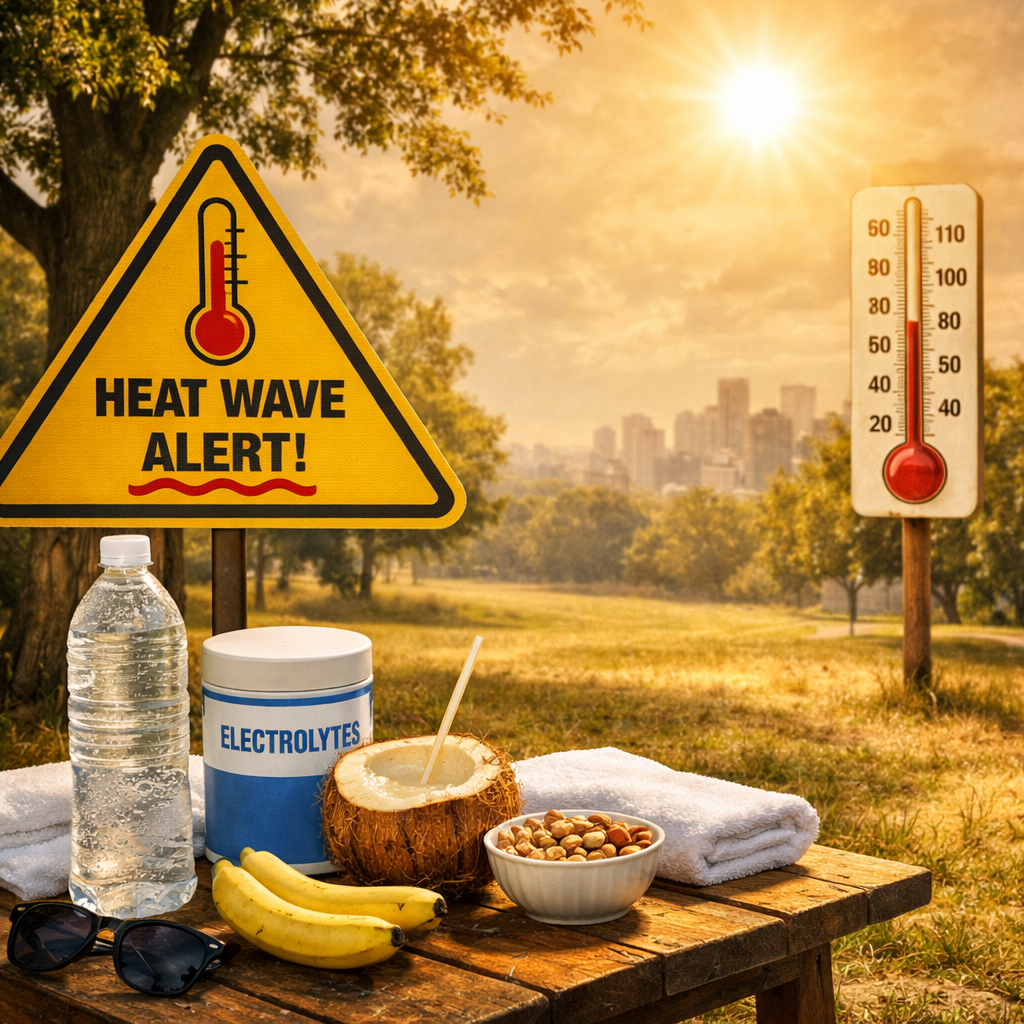
Heat waves place intense physiological stress on the body. When temperatures climb, your internal cooling system works nonstop, relying heavily on sweating to regulate temperature. Sweat isn’t just water — it contains electrolytes, the charged minerals that keep your heart, muscles, and nerves functioning properly. Losing too many electrolytes too quickly is one of the main reasons heat exhaustion and heat stroke develop.
Understanding how electrolytes work — and how to protect yourself during extreme heat — is the key to staying safe.
Why Electrolytes Matter During Extreme Heat
Electrolytes such as sodium, potassium, and magnesium regulate:
- Fluid balance
- Muscle contraction
- Heart rhythm
- Nerve signaling
During a heat wave, your body sweats continuously to cool itself. Sweat contains electrolytes, so the hotter it gets, the faster you lose them. When electrolyte levels drop, your body can’t regulate temperature efficiently — and overheating becomes dangerous.
Early Warning Signs of Heat Exhaustion
Heat exhaustion is the stage before heat stroke. Catching it early is critical.
- Heavy sweating
- Muscle cramps (often from low sodium or potassium)
- Weakness or fatigue
- Dizziness or lightheadedness
- Headache
- Nausea
- Cool, clammy skin
These symptoms mean your body is losing water and electrolytes faster than it can replace them.
Heat Stroke: The Emergency Stage
Heat stroke is a medical emergency. It occurs when the body’s temperature rises so high that it can no longer cool itself.
Key signs:
- Stopped sweating despite extreme heat
- Hot, dry, flushed skin
- Rapid heartbeat
- Confusion, irritability, or disorientation
- Loss of coordination
- Fainting or collapse
If these appear, call emergency services immediately.
Heat‑Wave Safety Checklist
Warning Signs to Watch For
- Heavy sweating
- Muscle cramps
- Dizziness
- Headache
- Nausea
- Weakness or fatigue
- Cool, clammy skin
Heat Stroke Red Flags (Emergency)
- Stopped sweating
- Hot, dry skin
- Rapid heartbeat
- Confusion
- Fainting
Hydration and Electrolyte Checklist
What to Do
- Drink water consistently, not just when thirsty
- Add electrolytes every few hours
- Eat mineral‑rich foods
- Take cooling breaks indoors
- Wear loose, light clothing
- Avoid outdoor activity between 12–4 PM
- Check on older adults, children, and pets
What Not to Do
- Don’t rely on water alone
- Don’t push through symptoms
- Don’t stay outdoors for long periods in peak heat
Best Sources of Electrolytes
Drinks
- Electrolyte packets (LMNT, Liquid I.V., Nuun)
- Coconut water
- Broth or bouillon
- Mineral water
Foods High in Potassium
- Bananas
- Avocados
- Sweet potatoes
- Spinach
- Yogurt
Foods High in Sodium
- Salted nuts
- Pretzels
- Pickles
- Broth‑based soups
Foods High in Magnesium
- Almonds
- Cashews
- Pumpkin seeds
- Dark leafy greens
Bottom Line
Heat waves are dangerous because they drain electrolytes rapidly, weakening your body’s ability to regulate temperature. When electrolytes fall too low, dehydration accelerates, muscles cramp, the heart strains, and the risk of heat exhaustion or heat stroke rises sharply.
Staying ahead of hydration — with electrolytes, not just water — is the most important step you can take to protect yourself.