From Restless to Risky: Not Just a Bad Night

Editor’s Note: This is the second of two part post on sleep and insomnia. Read Part 1 here.
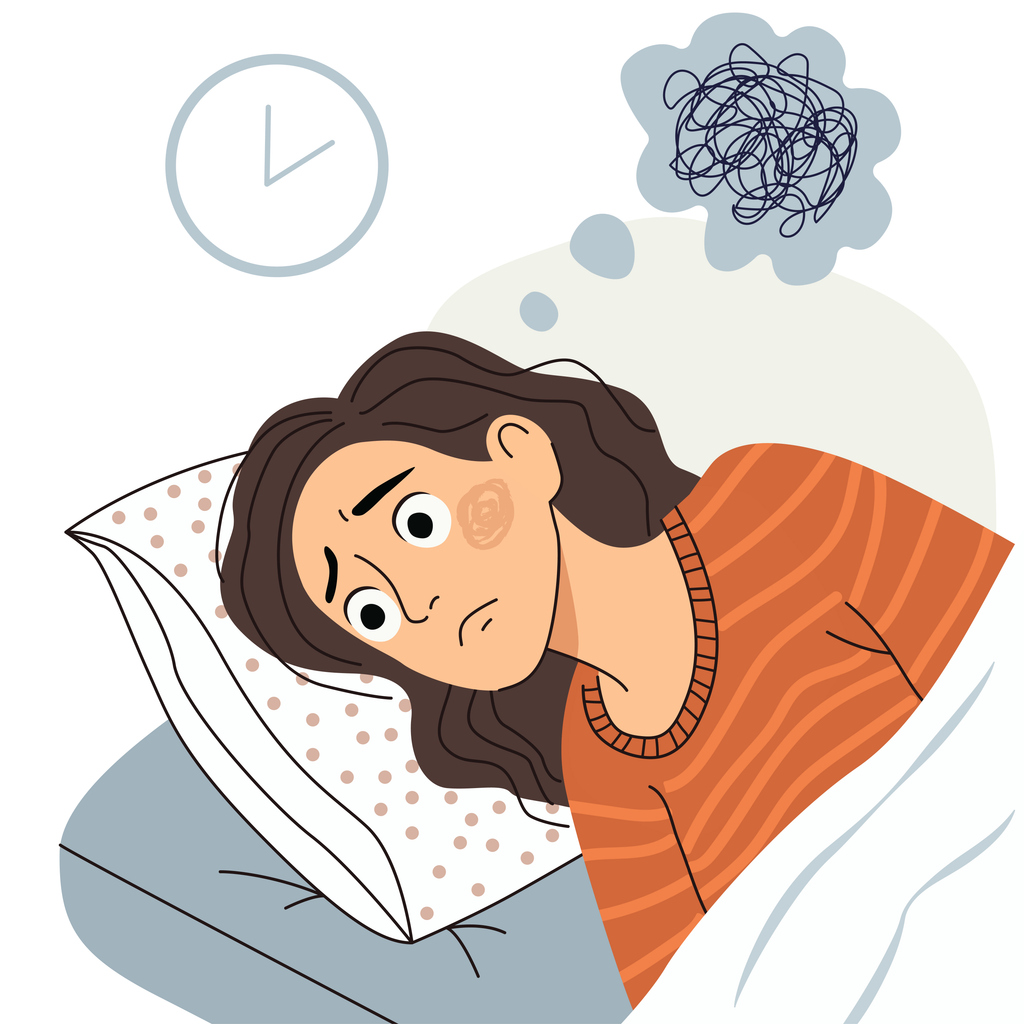
According to insomnia specialist, Dr. Kolzet, poor sleep stops being “just a bad night” and becomes a clinical concern when it is persistent, impairs your days as much as your nights, and when it starts to affect your moods, memory, health and relationships. And unchecked, it can carry real risks for your heart, metabolic health, mental health and even longevity.
In this interview, Dr. Kolzet unpacks when poor sleep crosses the line into a disorder, why it is so tightly linked to anxiety and depression, and what evidence-based treatments can help you reclaim truly restorative sleep.
Q: What are the warning signs that a sleep complaint may involve a serious sleep-wake disorder?
When it’s not just occasional. If sleep is consistently difficult, starts affecting your days—not just your nights—or you’re seeing things like unusual movements, breathing issues, or a misaligned sleep schedule, it’s worth looking more closely. I do believe that if patients are considered about their sleep, and, concern is not merely fleeting that they schedule a consult with a trusted provider. Patients often benefit from even one session with me. If I am not the right person to treat their condition, I provide referrals. I have a network of providers who are excellent.
Q: How do you evaluate whether symptoms point to restless legs, periodic limb movement or circadian rhythm disruption?
It really starts with a careful history. The timing of symptoms, whether there’s an urge to move, relief with movement, patterns across the week—all of that helps differentiate. Oftentimes, a sleep study or actigraphy is needed to confirm.
Q: When should someone seek a specialist rather than trying to manage sleep issues?
If it’s been going on for a few weeks, or it’s affecting your mood, focus, or health, it’s time. Especially if you’ve already tried the usual advice and nothing is shifting.
MENTAL HEALTH LINKS
Q: Does insomnia usually drive mental health symptoms or do mental health issues drive insomnia?
Both. It’s very bidirectional. Poor sleep can increase vulnerability to anxiety and depression, and those conditions can, in turn, disrupt sleep.
Q: How can poor sleep affect mood, focus and daytime functioning?
Patients tend to report being more irritable, less patient, having a harder time focusing, and more emotionally reactive. It can lower your threshold for stress. People start organizing their lives around their sleep-going to bed earlier and earlier, canceling plans, or avoiding things they worry will make sleep worse, including exercise.
Q: What is the connection between sleep and overall physical health, including heart health?
Sleep is foundational. Chronic disruption is linked to cardiovascular risk, metabolic issues, inflammation, and overall health over time. Important to mention, and, relative to my subspeciality, insomnia. Many patients read alarming headlines about sleep and anxiety, but those findings often come from extreme sleep deprivation studies—not the kind of insomnia most people have—and that misunderstanding can actually increase anxiety about sleep.
Cognitive behavioral therapy for insomnia (CBT-I) offers a clear, evidence-based way to address this. It’s a structured, time-limited treatment that helps people recalibrate both their sleep patterns and their relationship with sleep, often with lasting results.
PRACTICAL ADVICE
Q: What is the most effective first step for someone who has been sleeping poorly for months?
Shift from trying to “fix it yourself” to getting evidence-based help—CBT-I is really the gold standard.
Q: What sleep advice sounds helpful but is often oversimplified or misleading?
“Just relax” or “have better sleep hygiene.” Those can help a little, but they don’t address the underlying pattern that keeps insomnia going.
Q: What should someone track before a first appointment for sleep treatment?
Just show up. That’s half the battle!
WHEN THE BASICS DON’T WORK
Q: If someone is already doing the “right things” but still feels wired at night, where does CBT-I step in?
That “wired but tired” feeling is usually a learned pattern—your brain has started to associate the bed with wakefulness. CBT-I helps undo that.
Q: What is CBT-I therapy and can you suggest one or two simple strategies?
It’s a structured, behavioral treatment that helps reset sleep.
Two simple starting points: keep a consistent wake time, and don’t go to bed unless you’re actually sleepy.
Q: What are the biggest myths about CBT-I?
That it’s rigid or punishing. It’s actually very collaborative and tailored—it’s about working with your system, not against it.
Q: Where is the field of behavioral sleep medicine headed?
More integration with mental health care and more access through digital tools, which is making effective treatment available to more people.
Q: What gives you the most hope when treating long-term sleep problems?
That even long-standing insomnia is very treatable. People are often surprised by how much their sleep can change once the right pieces are in place.
*****
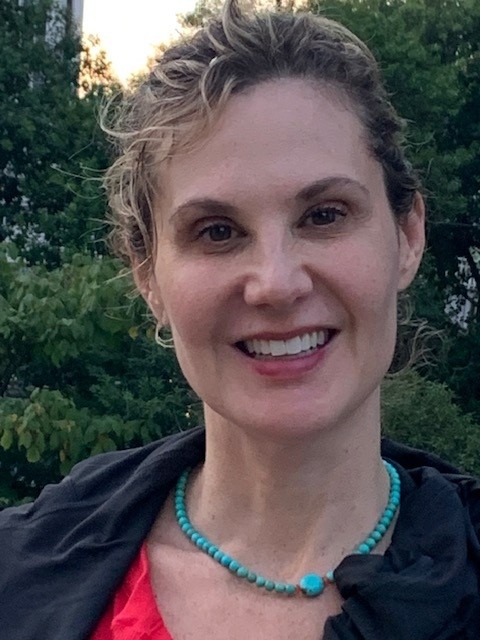 Dr. Julie Kolzet is a licensed health psychologist who works with adults across the lifespan in a general practice, focusing on how behavior and stress impact physical health, with a specialization in cognitive behavioral therapy for insomnia (CBT-I) and behavioral sleep medicine. She treats concerns including anxiety, stress, and life transitions, with an approach grounded in evidence-based care and an understanding of how patterns of thinking and behavior develop and change over time. Learn more at her website.

Anne brings a wealth of knowledge to her role as The Three Tomatoes’ Beauty, Health and Wellness Editor. As a champion of health and well-being for all, she is the Founder/Publisher of GLOW Beauty, Health and Wellness magazine; previous Founder of Castle Connolly Graduate Medical Publishing, publishing educational review manuals for doctors to pass their board exams in 15 different medical specialties and co-Founder of MDPublish.com, publishing and marketing books for health professionals. A winner of the SMART CEO award for "entrepreneurial spirit with a sense of give back to the community," Anne sits on many Boards for women's health, with a particular passion for Veterans and her current
role as Special Advisor to Operation Warrior Shield, "healing their hidden wounds". www.operationwarriorshield.com.
Visit Anne at: www.glowbeautymag.com
or: www.mdpublish.com.