
The Beautiful World of Afternoon Tea

January is officially Hot Tea Month, and truly, what better moment to explore the beautiful world of afternoon tea? Beyond the soothing ritual of a perfectly steeped cup lies an entire universe of tea equipage—the trays, pots, strainers, stands and tiny tools that transform a simple beverage into a full sensory experience. This month invites us to slow down, warm up and appreciate the history, craftsmanship and quiet luxury woven into every piece that accompanies a traditional tea service.
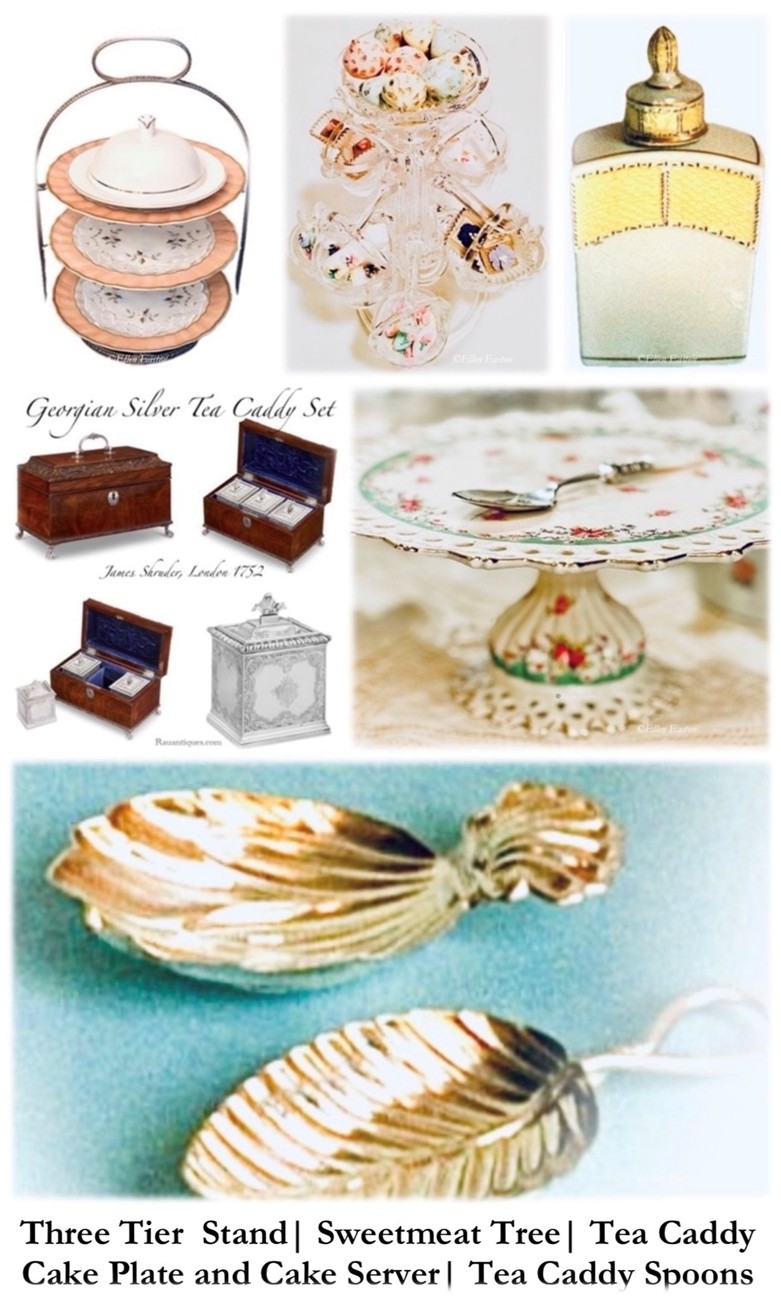
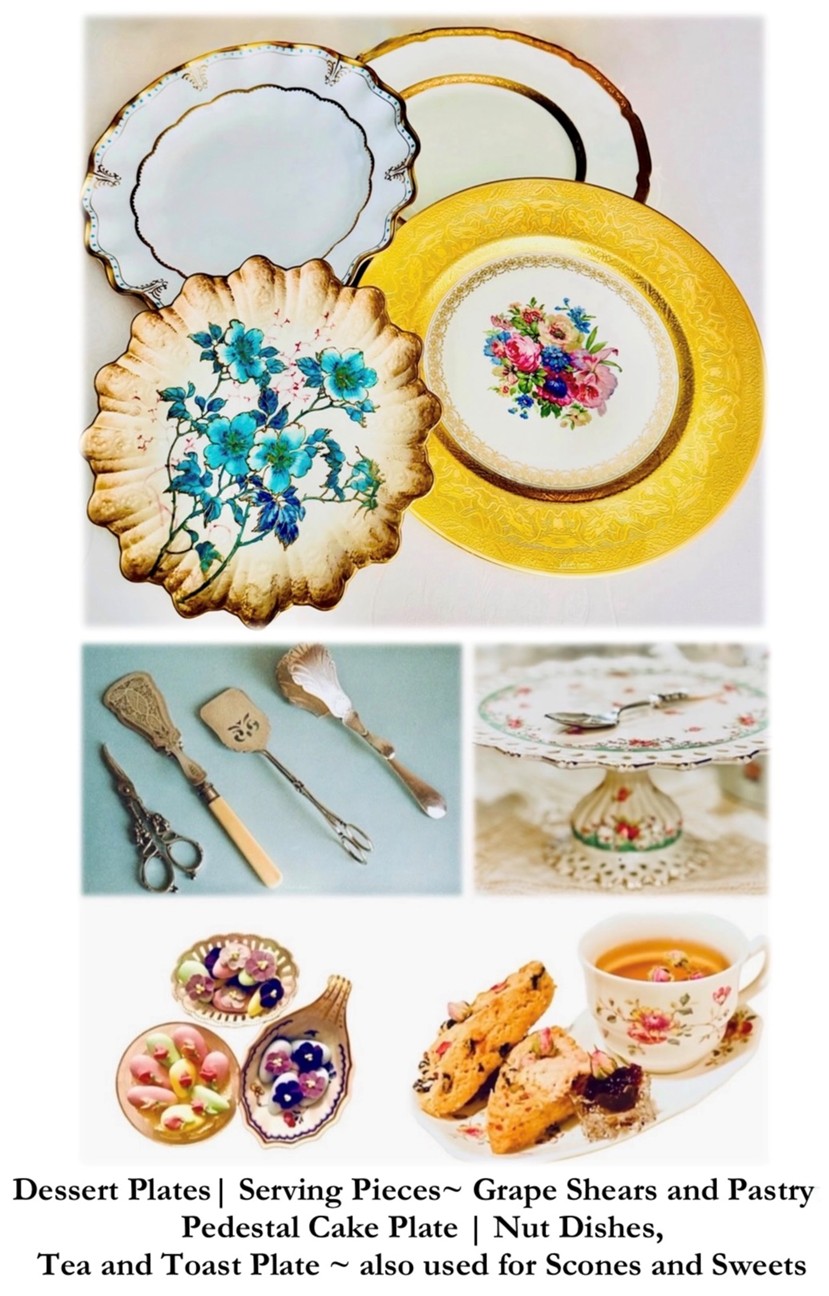
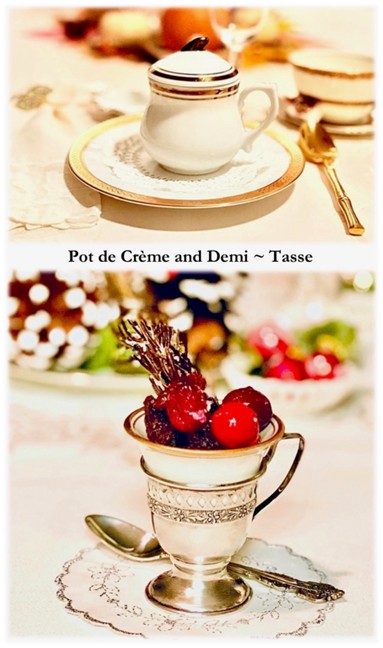
Afternoon Tea Equipage Glossary
Bun Warmer: Cloth to cover buns and breads.
Cake Server: Flat utensil used to serve slices of cake.
Cake Stand or Plate: Large plate, footed or flat, to hold cakes and desserts.
China: Species of fine porcelain.
Compote: Stemmed bowl.
Dessert Plate: 6.5 to 8 inches in diameter
Dumbwaiter: Portable serving table or small elevator from a kitchen to bring hot foods.
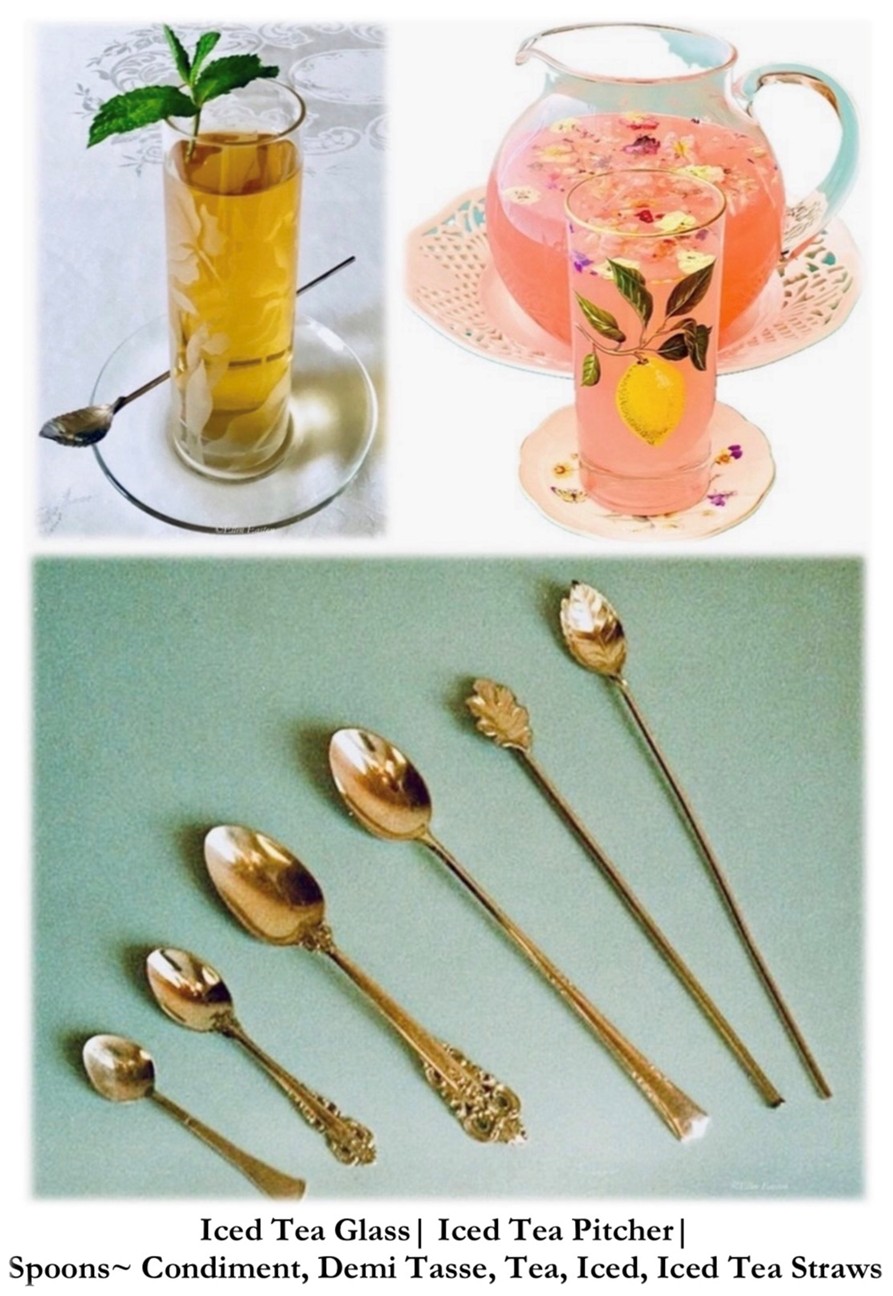
Iced Tea Spoon / Straw: an elongated spoon often with a hallow straw to be used to stir and sip iced tea from a tall glass.
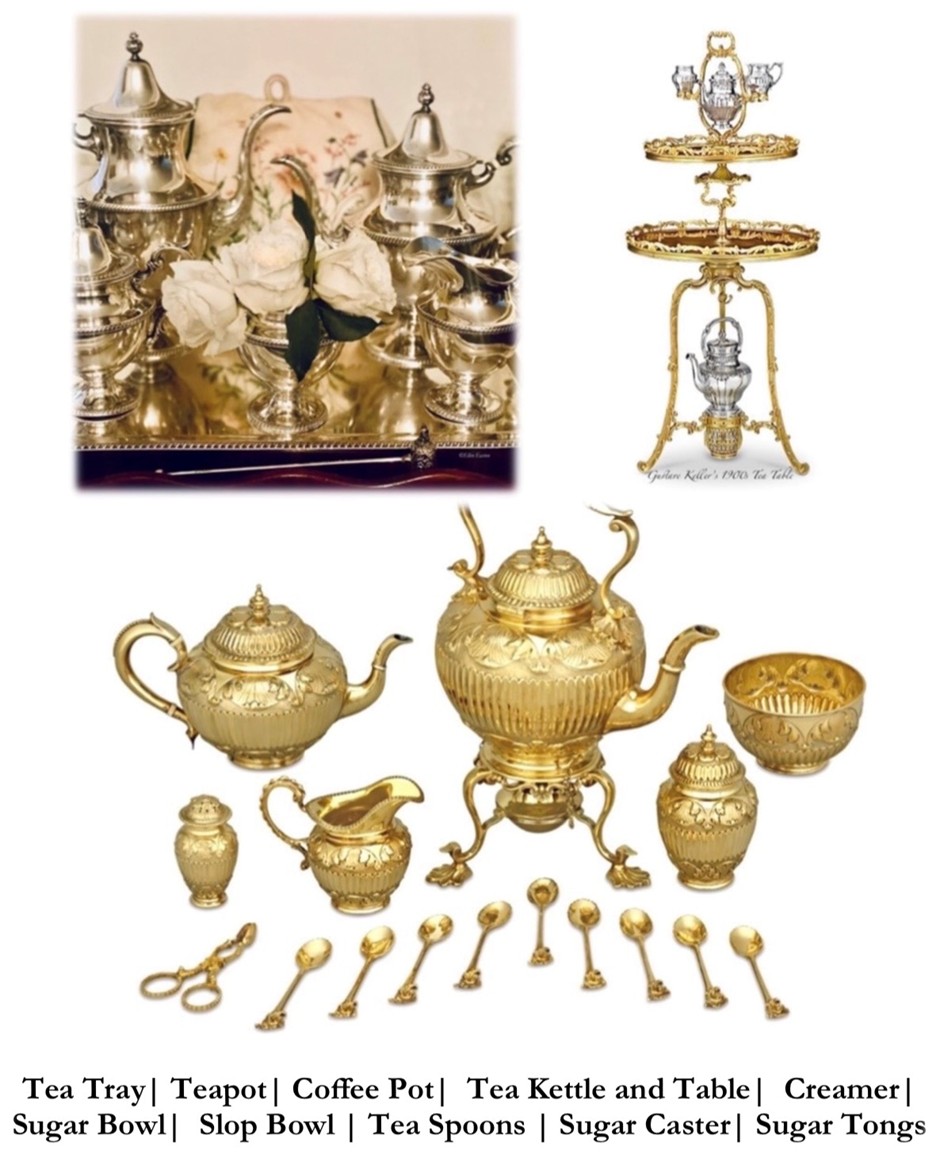
Kettle: Pot with spout used to boil water.
Lemon Squeezer: Two-sided ornament used to extract juice from citrus wedges or slices.
Menu Card: Traditionally, used to list the foods and beverages to be served.
Mote Spoon: A perforated spoon with a long thin handle ending with a pointed needle; used to strain tea and remove tea leaves from the spout of a tea pot.
Nut Dishes: Small dishes in various shapes and materials to hold assorted nuts.
Pitcher: Made of glass, porcelain or silver in various sizes to hold water, iced tea and milk.
Porcelain: The finest species of pottery wares.
Pot de Crème: A small, covered pot to hold pudding and mousses.
Spork: A round bowl shape with prongs that is a half spoon half fork used for desserts.
Sugar Bowl: Small bowl to hold sugar.
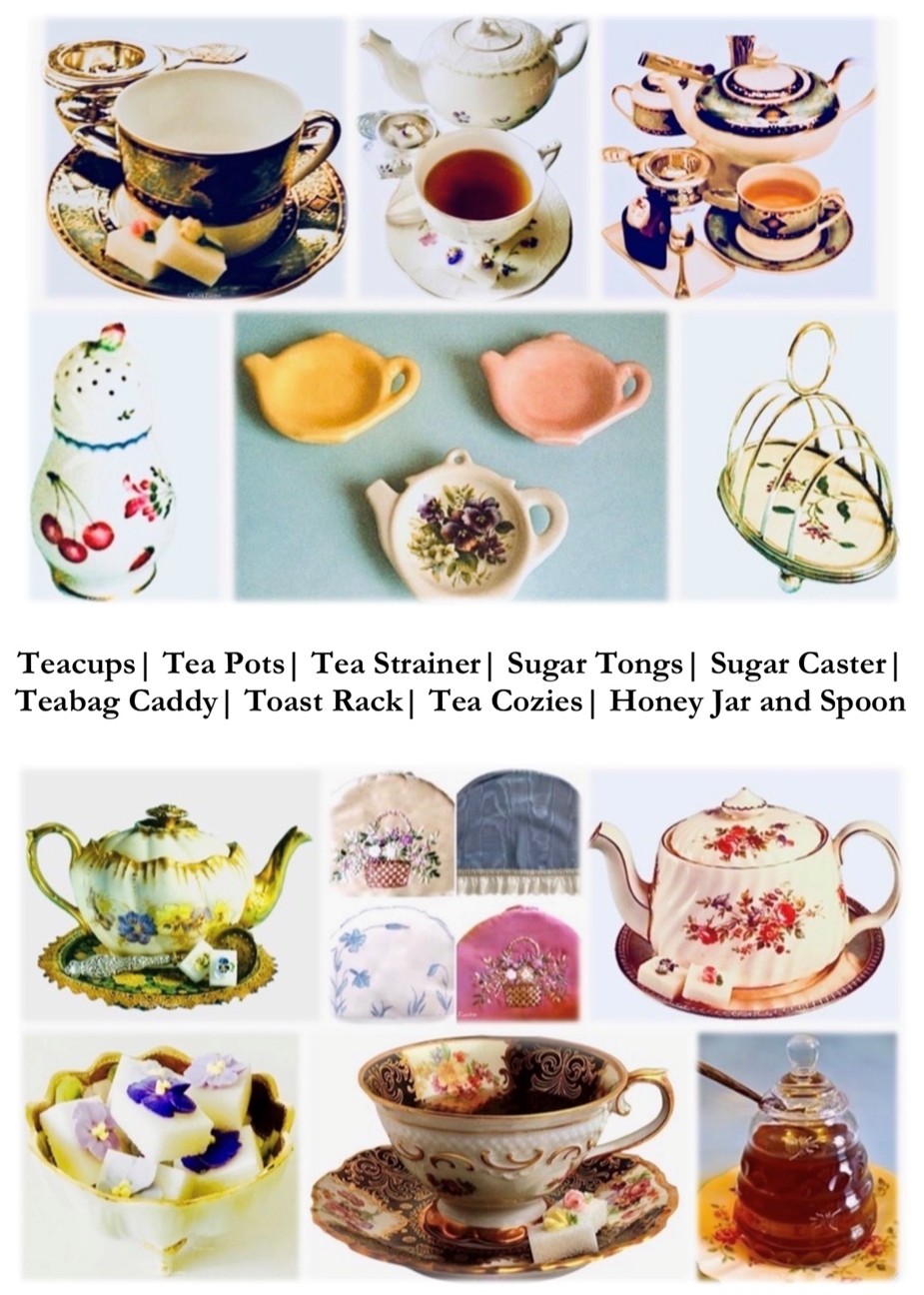
Sugar Caster: A shaker, with holes on the top, to hold confectionery powdered sugar.
Sugar Scuttle: Small footed bowl to hold sugar.
Sugar Tong: Two-prong utensil used to serve sugar cubes.
Sweetmeat Tree: Glass, silver or porcelain stand with branches to hold baskets of assorted sweets and nuts.
Tea Napkin: A 12 inch square made of linen or organdy.
Tea Bag or Tea Sac: Porous paper used to contain tea leaves.
Tea Caddy/ Cannister: A small airtight box used to store tea.
Tea Caddy Spoon: A small spoon used to measure one teaspoon of tea leaves, often in the shape of a shell.
Teacup: Porcelain vessel in which one uses to drink tea.
Tea Infuser: Perforated ball of porcelain, metal or silver holding tea leaves. (not recommended)
Teapot: A rounded or square vessel covered pot in which tea is infused.
Tea Service: Set of teapot, creamer, sugar bowl and slop bowl. Often teakettles, coffee pots and sugar tongs were included in fuller sets.
Teaspoon: Small spoon used to stir tea. Holds one-teaspoon measure.
Tea Storage: Airtight, in a container away from light, heat, air, dampness and pungent spices or foods.
Tea Strainer: Porcelain, silver or metal spoon to hold over a teacup when pouring to detain the leaves from entering the cup.
Tea Table: A rimmed table used to hold tea wares. Often the top serves as a removable tray allowing the tea to be brought from the kitchen and served hot. The rim prevents the wares from sliding off the tray or table.
Tea Topper Cloth: A decorative 36-inch table linen used as a topper placed on a table where one is served afternoon tea. Traditionally a cloth made from white linen or organdy.
Three Tier Stand: To hold plates for Scones, Tea Sandwiches and Sweets for self-service.
Toast Plate: An elongated plate with a well to hold a teacup.
Toast Rack: A slotted plate to hold slices of toast.
Tongs: Two-prong utensil used to serve sandwiches, savories and sweets.
Trifle Bowl: Specific glass bowl used to serve layers of sponge cake, jam, custard, whipped cream and sherry. ©Ellen Easton
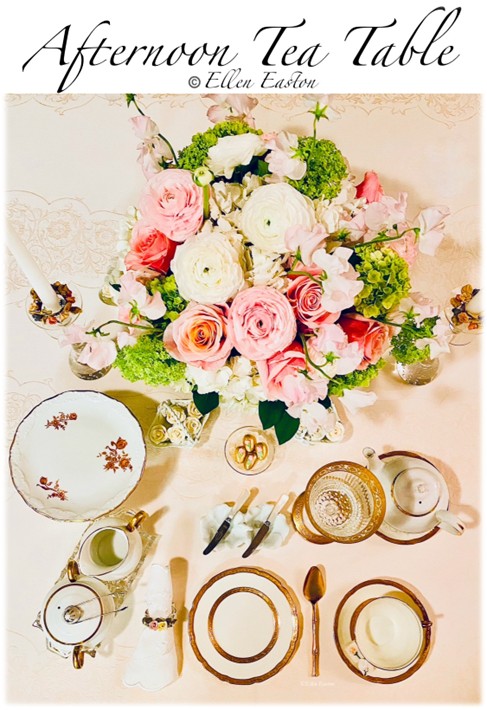
A Proper Afternoon Tea Individual Place Setting
Tea and Health ~ Exploring Herbal Teas and Infusions
©Ellen Easton

Ellen Easton, author of Afternoon Tea~Tips, Terms and Traditions(RED WAGON PRESS), an afternoon tea authority, lifestyle and etiquette industry leader, keynote speaker and product spokesperson, is a hospitality, design, and retail consultant whose clients have included the Waldorf=Astoria, the Plaza and Bergdorf Goodman. Easton’s family traces their tea roots to the early 1800s, when ancestors first introduced tea plants from India and China to the Colony of Ceylon, thus building one of the largest and best cultivated teas estates on the island.



Very impressive savoir faire the tea world is your domaine and kingdom. Good to keep tradition and history in mind and practice. Did not know so many utensils were once used and maybe still.
Great to learn enjoy and look at the beauty and magic of tea and teatime.☕️💖💐💕💕💕💕
Ellen, you continue to amaze me with your level of detail and exquisite pictures. That teapot is a masterpiece! Thank you again for taking the time to put together such a well thought out article.
Thank you, Melissa!
Love this, and I finally know what some of my grandmother’s silverware is actually for!
Thank you, Sue!
Perfectly set perfect and carefully prepared.
In content and context in history and taste
Ellen never slips it is all there to the last savory and spoon. To educate remind or simply delight us with tea tea time its pleasure and deeper meaning. For us to enjoy and perpetrate…💐💖☕️🎉the goodness in Life.
Thank you , Mercedes!
Thank you all for taking the time to read my article. Appreciate your kind comments. Ellen