The Friends We Used to Have

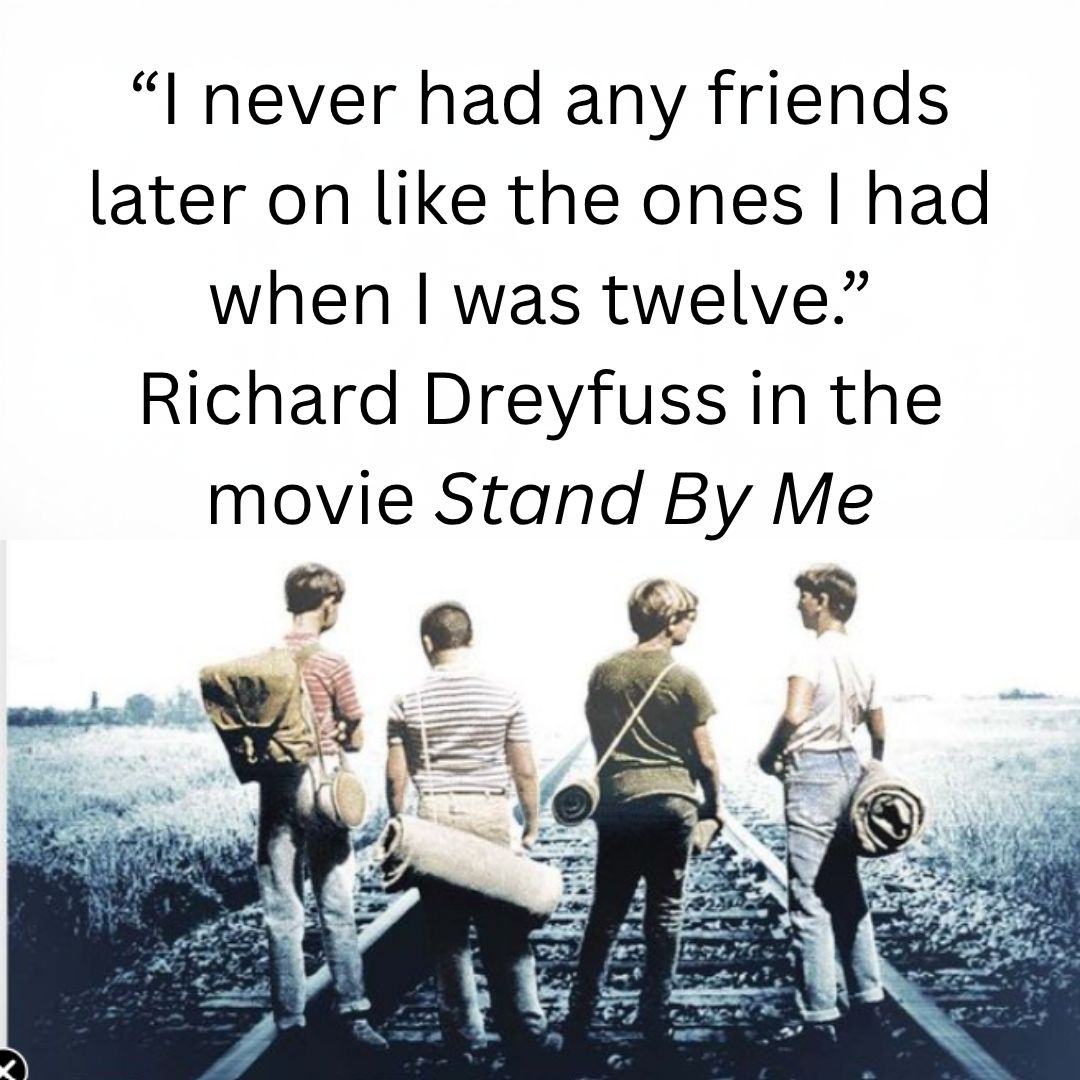
At the end of the movie “Stand By Me”, the adult narrator Gordie Lachance is typing a story on his computer about his 1959 summer adventure. Interwoven in his account is a reflection on the separate paths his childhood friendships have taken. I’ve been thinking recently about two friends from my school years and remembering promises we made that our friendships would never end.
There was Jeanne Marie, who affectionately went by Ree. We met in second grade when I transferred to a new parochial school. She was the smartest girl in class, and perhaps because of that, she was a loner. What connected us was taking piano lessons from Sister Frederick Maria at the convent on campus.
At 8 years old, we both were drafted to learn the pipe organ because the parish lacked organists. In a deal that surely must have been crafted by angels, we had permission to leave any class we wanted during the school day to practice. We’d give each other a silent “knowing” nod during math and stealthily exit the classroom for the trek across the street to the cathedral for an hour-long session in the choir loft.
Ree and I stayed somewhat close through high school, but our personalities were different and we went our separate ways as young adults. I learned she died recently after a troubled life. The time I spent with her shaped me. She was competitive, a perfectionist, and a survivor.
There was also Pam, who lived down the street from me in grade school and high school. We were inseparable from third grade through college, even amicably dating two of the same men. I dated her first high school boyfriend after she did. And she dated my first college boyfriend after I did.
Pam and I shared secrets, celebrated milestones, and spent countless hours together. But the innocence of that friendship has sadly given way to adult issues. For starters, we moved far away from each other early in our careers.
Recently, it became clear that we do not share the same political views which has created an impossible barrier to sustaining a deep friendship. In our formative years, I learned from Pam about trust, vulnerability, and adventure-taking.
The Friends We Have Now
If we were lucky enough to have friends to get us through and out of school, who has been there for us since, and who have we been there for?
Here are four things I’ve learned about friendship as an adult:
- Friendship isn’t measured in numbers, it’s measured in presence. With careers, cross-country moves, marriages, and child-rearing, the challenge of maintaining face-to-face friendships is real. Five people we actually see can matter more than fifteen we intend to see.
- Friendships run their course from active to passive, and sometimes if we are lucky, back again. Friendships can have seasons where we are heavily invested, take a break, and then pick up where we left off.
- For friendships to endure, we must have more in common than proximity. What makes friendships last are shared commitments to maintaining them.
- To make new friends, we must believe that others want to be connected. If we doubt their interest, we close ourselves off to the possibility of getting close to them.
The Stanford Study on Friendship Perception Gaps
In a Wall Street Journal article, Zamil Zaik, Stanford University psychology professor, Director of the Stanford Social Neuroscience Lab, and author of the books The War for Kindness and Hope for Cynics, described his research project on making friends. Interested in how people connect with each other and how we can learn to connect better, Dr. Zaik’s research focuses on breaking down barriers that keep us from making friends.
His theory is that we hold back from connecting because of perception gaps and that we underestimate how kind, trustworthy, and willing to engage others are. We think our requests may burden friends, so we don’t ask, even though most people are happy to help.
As Dr. Zaik sees it, connecting might simply be a matter of seeing each other more clearly. He believes society faces a dire “connection shortage”, but that the issue is demand, not supply. He recommends taking “social risks” to find out. So, before you prejudge people, consider stepping more deeply into conversations to test the chance to befriend others.
While the Richard Dreyfuss character might be right that nothing will be quite like teenage friendships, the stakes of not cultivating adult friendships are too high not to try.
Let me know if you agree at Ann@AnnLouden.com

A seasoned executive in the nonprofit world, Ann Louden is the founder and CEO of Ann Louden Strategy and Consulting. Recognized for her expertise in fund raising, high profile special events, and campaign planning, Ann provides counsel to chief executives, staff, and volunteer leadership.
Ann’s primary interest areas are education, health care for women and children, the arts, and adoption. As a cancer survivor, she led and was the twelve-year spokesperson for a breast cancer advocacy initiative that engaged thousands of survivors, volunteers and medical providers. With a mantra of bringing big ideas to life, Ann focuses on identifying a compelling vision and creating a goals-oriented plan for execution.
An in-demand national speaker for the Council for Advancement and Support of Education, Ann is the recipient of the Steuben Excellence in Teaching Award and has been named as a CASE Laureate. She is the author of the upcoming book: From Social Courage to Connection: Lessons from Leaders Who Change and Save Lives.
You can find her at www.AnnLouden.com.