The Importance of Developing and Maintaining Good Credit

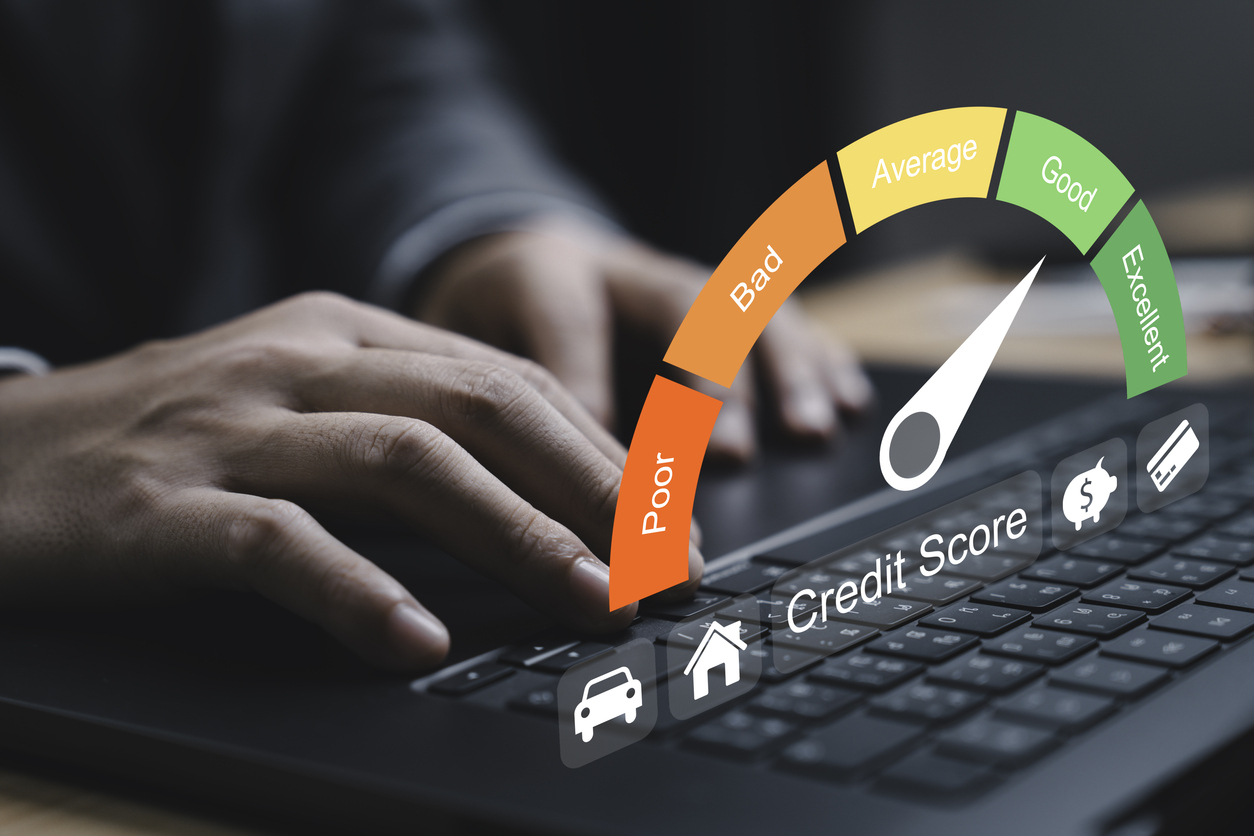
Establishing, maintaining, and having good credit is crucial for everyone. This fact became clear to me in my twenties when, despite being married and working as a bank officer, I applied for a credit card at a well-known department store in Manhattan. The store required that my husband be added to the card, even though I had good credit. I chose not to shop there again and shortly obtained a credit card on my own elsewhere. This experience illustrates how essential it is for individuals to build and maintain their own credit history.
Understanding Credit, Credit Scores, and Credit Agencies
Credit is your ability to borrow money or access goods and services with the agreement to pay later. Your credit history is used by lenders, landlords, and some employers to determine your reliability in meeting financial commitments. Good credit reflects a strong record of timely bill payments, sensible debt management, and responsible financial choices.
Credit Score: Your credit score is a numerical representation of your creditworthiness, typically ranging from 300 to 850. It is calculated using several factors, including payment history, amounts owed, length of credit history, new credit, and types of credit used. The higher your score, the more favorable terms you are likely to receive from lenders.
Credit Agencies: Credit scores and reports are maintained by major credit agencies (also called credit bureaus). In the United States, the three main agencies are Equifax, Experian, and TransUnion. These agencies collect and store your credit information, which is updated regularly and provided to creditors, landlords, and sometimes employers upon request. You are entitled to a free credit report from each agency once per year, allowing you to check your credit status and dispute any inaccuracies.
Why Developing Good Credit Is Important
- Access to Better Financial Products: Good credit allows you to qualify for loans, credit cards, and mortgages with lower interest rates and better terms, saving you substantial amounts of money over time.
- Greater Financial Flexibility: With strong credit, you are more likely to be approved for rental housing, utility services, and even certain cell phone plans—sometimes without needing to pay a deposit.
- Lower Insurance Premiums: Many insurance companies use credit scores to determine premiums, so better credit can mean lower monthly costs for auto and homeowner’s insurance.
- Career Opportunities: Some employers review credit reports during the hiring process, especially for positions involving financial responsibilities.
- Emergency Preparedness: Good credit provides access to financial resources in emergencies, such as unexpected medical bills or car repairs.
Key Steps to Building Good Credit
- Pay Bills On Time: Payment history is the most significant factor in your credit score. Use reminders or automate payments to ensure you never miss a due date.
- Keep Credit Card Balances Low: It’s recommended to use less than 30% of your available credit on each card, as high balances can negatively impact your score—even if you pay the balance in full.
- Limit New Credit Applications: Applying for credit results in a “hard inquiry.” Too many inquiries in a short period can reduce your score.
- Check Your Credit Report Regularly: Review your credit report for errors or signs of fraud. You are entitled to a free report from each major credit bureau every year.
- Maintain Long-Term Accounts: The longer you keep credit accounts in good standing, the stronger your credit history becomes.
Keeping Your Credit Healthy Over Time
Building good credit is just the beginning—maintaining it is equally important. Avoid actions that could damage your credit, such as missing payments, taking on excessive debt, or defaulting on loans. If financial difficulties arise, reach out to lenders to discuss available options before falling behind.
Regularly monitor your credit and stay focused on your financial goals. Practicing responsible credit management not only helps you obtain the best rates and terms but also ensures peace of mind, knowing you are prepared for life’s financial challenges.
Conclusion
Developing and maintaining good credit is vital for financial stability and opportunity. It impacts many parts of your life, from the cost of borrowing to your ability to rent a home or secure a job. By understanding the role of credit, credit scores, and reporting agencies—and by following sound financial habits—you can achieve long-term success and security.

Ella Newman
Ella Newman is a seasoned financial professional with more than thirty‑five years of experience advising individuals, families, business owners, and their professional partners. In her role at Norton Advisory Group, she serves as both a Financial Advisor and Business Development leader, helping clients implement insurance‑based strategies for retirement planning, estate planning, and business succession. She has held various leadership positions in nonprofits and community organizations She speaks about financial empowerment for women's groups. She achieved her MBA in Finance at Baruch College and undergraduate degree in Economics at CUNY. Ella is life insurance licensed in several states. Her spare time is involved with watercolor painting, arts, travel, writing and family.