What’s More Badass Than Red Suede Boots?

Twenty years ago this month, I officially became a cancer survivor. My breast cancer surgeon explained the anniversary date in a memorable way. “You cross over from cancer patient to cancer survivor the day I remove the tumor,” she said.
I liked the sound of that. It gave me resolve.
Being a survivor meant I had already passed an invisible milestone only I could see. How could I let the world know too?
The answer presented itself just as I was to start seven weeks of daily radiation. Because I knew I wouldn’t have overhead use of my arm, I had switched my closet from summer to winter before the surgery. The night before my first radiation treatment, I spotted a pair of red suede ankle boots in my closet.
Rediscovered, the red boots now transformed themselves into bad-ass Kick-Cancer boots.
I wore them to treatment every day. They brought me courage. They became my armor, my protective shield. I was a survivor after all!
The Paradox of Having Armor
But a funny thing happened while wearing my armor. People noticed the boots. They commented on them. They remembered them. They expected them. The boots became conversations starters.
Instead of being an invisible shield, my armor in the form of my boots had made me more visible. And when I became visible, I automatically became more vulnerable.
There is something inherently leveling about having cancer, especially if you are the person who normally manages things, solves problems, meets deadlines, and tries to help other people. Suddenly you depend upon strangers. And you are subject to indignities that can’t be ignored: Hospital gowns, repeating your name/birthday/zip code countless times, being poked and prodded with needles, and assaulted by machines that beep and whistle.
We recognize that to meet a health challenge head on, you’ll be served an avoidable dose of uncertainty, risk and emotional exposure.
I learned quickly that a health crisis requires both armor AND vulnerability.
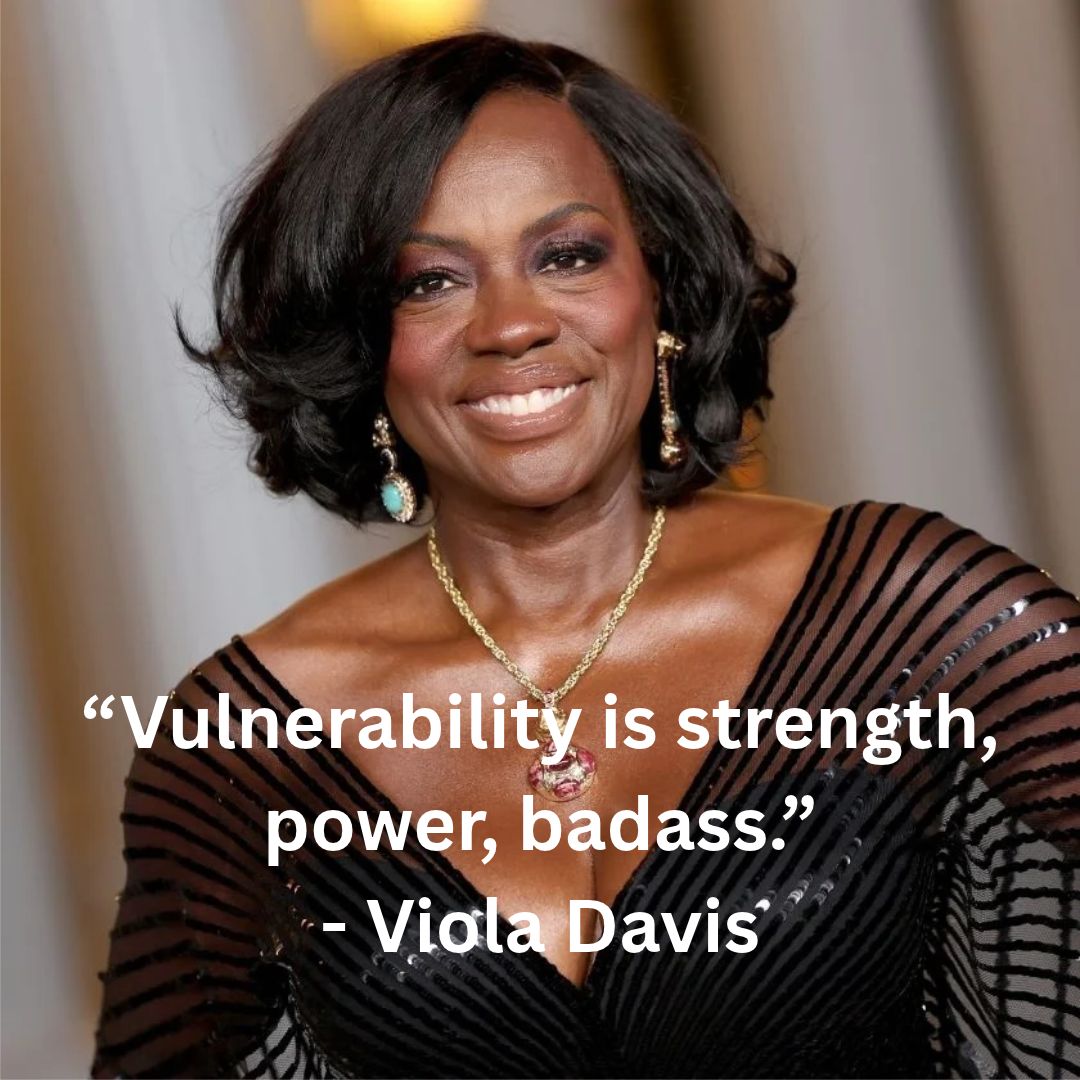
We spend much of our lives trying not to appear vulnerable. Yet some of our deepest connections happen precisely when we stop pretending we have everything under control.
I don’t remember the names of every healthcare professional I encountered during my long cancer journey. But I came to quickly understand that I got better care and a deeper connection because my bad-ass Kick Cancer boots sparked interest in me as a person, not just a patient.
Being vulnerable didn’t simply make me feel helpless. It changed the way I was seen.
Three Ways Vulnerability Builds Connection
When we are vulnerable to others, we open the door to more than a surface conversation.
Here are three ways that can happen:
1) Being vulnerable presents an opportunity for deeper conversations. Real vulnerability can be expressed in small ways: “I’m scared.” “I don’t know what to do.” “I need help.”
Those are invitations to connection.
2) When we admit we don’t have all the answers, others see us differently. As importantly, we are better positioned to listen and perhaps to learn. People may tell you things they’ve never spoken of before.
This is the best mindset to have for accepting help.
3) Speaking our fears out loud is the only way to know if there is someone who can address them. Think about it. If we keep our concerns to ourselves, there is no chance of being heard.
When courage is on the menu, opportunity may be also.
Reflecting on The Connections Cancer Gave Me
What did being vulnerable do for me during cancer? Remember that vulnerability isn’t simply what happens when we’re weak. It’s what happens when we allow ourselves to be seen. What vulnerability gained me was very concrete.
Being vulnerable connected me both to patient and medical professionals alike, many of whom have become lifelong friends.
It provided me with a leadership opportunity to run a nationwide program advocating for survivors and supporting them in their most vulnerable moments.
It allowed me to build an educational and fundraising team to support the work of cancer research in my community.
And most of all, the connections I made during cancer shaped the purpose and quality of my life long after those badass Kick Cancer red boots had done their work.
Cancer didn’t create these connections. It created the opening through which the connection could enter. It allowed me to accept help, to cherish those who showed up, to turn acquaintanceships into friendships, and drop the armor of always saying I was fine.
Please share with me your thoughts on the power of vulnerability and the lessons you’ve learned. Write to me at Ann@AnnLouden.com.

A seasoned executive in the nonprofit world, Ann Louden is the founder and CEO of Ann Louden Strategy and Consulting. Recognized for her expertise in fund raising, high profile special events, and campaign planning, Ann provides counsel to chief executives, staff, and volunteer leadership.
Ann’s primary interest areas are education, health care for women and children, the arts, and adoption. As a cancer survivor, she led and was the twelve-year spokesperson for a breast cancer advocacy initiative that engaged thousands of survivors, volunteers and medical providers. With a mantra of bringing big ideas to life, Ann focuses on identifying a compelling vision and creating a goals-oriented plan for execution.
An in-demand national speaker for the Council for Advancement and Support of Education, Ann is the recipient of the Steuben Excellence in Teaching Award and has been named as a CASE Laureate. She is the author of the upcoming book: From Social Courage to Connection: Lessons from Leaders Who Change and Save Lives.
You can find her at www.AnnLouden.com.