Why We Still Care About the Oscars, Plus Highights

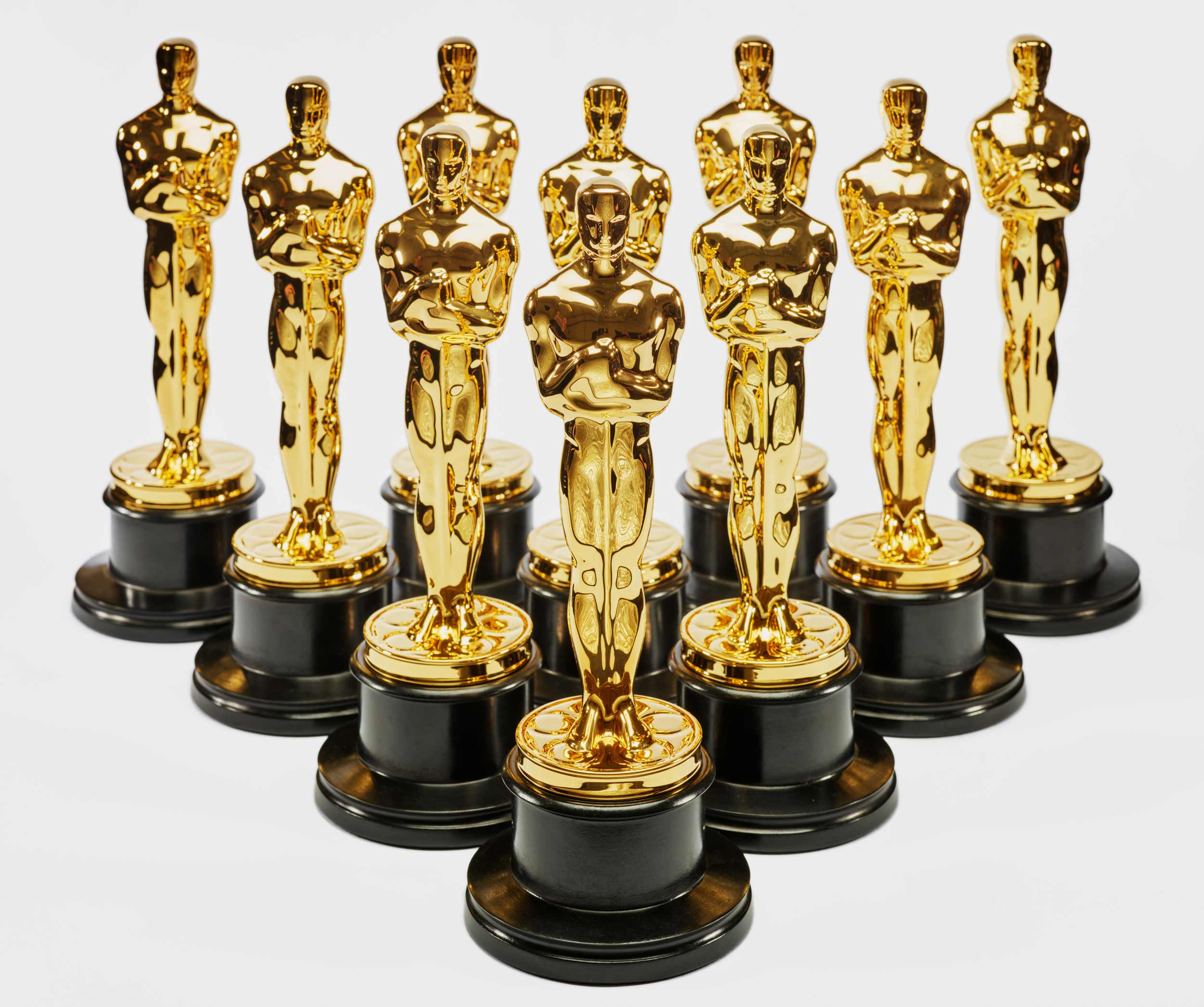
For all our eye‑rolling about long speeches, awkward presenter banter, and the occasional fashion catastrophe, the Oscars remain one of the last true shared cultural moments we have. In a world where everyone is watching something different on a different platform at a different time, Oscar night is one of the few evenings when millions of us gather—on couches, in group chats, on social feeds—to watch the same thing unfold in real time. And maybe that’s why it matters even more now: in a moment when the world feels heavy, fractured, and relentlessly serious, the Oscars offer a few hours of collective escape—beauty, artistry, and a reminder that storytelling still has the power to lift us.
This year, with history‑making wins, a brand‑new category, and speeches that genuinely moved the room, the Oscars reminded us why they still matter.
History-Making Firsts, A New Category & Speeches That Actually Moved Us
This year’s Oscars didn’t just hand out trophies—they rewrote the record books. From a groundbreaking new award to long‑overdue firsts and acceptance speeches that genuinely hit the heart, the 98th Academy Awards delivered one of the most memorable ceremonies in years.
A Brand-New Oscar Debuts: Best Achievement in Casting
For the first time in Academy history, casting directors finally got their moment in the spotlight. The inaugural Best Achievement in Casting Oscar went to Cassandra Kulukundis for One Battle After Another—a film that dominated the night. Her win underscored what Hollywood insiders have always known: casting is the invisible architecture of a great film.
A Historic First: A Woman Wins Best Cinematography
After nearly a century of Oscars, the glass ceiling finally shattered.
Autumn Durald Arkapaw became the first woman ever to win Best Cinematography, honored for her stunning work on Sinners. Her speech was humble, fierce, and quietly revolutionary—a moment that will be replayed for years.
The Speeches That Stole the Night
- Michael B. Jordan delivered a grounded, emotional reflection on transformation and responsibility.
- Jessie Buckley offered a warm, deeply personal ode to creative courage.
- Paul Thomas Anderson spoke with rare vulnerability about the decades-long journey to this moment.
- Autumn Durald Arkapaw gave the night’s most powerful line, “I really want all the women in the room to stand up because I [wouldn’t be] here without you guys.”
- Cassandra Kulukundis highlighted the art of “seeing people”—a beautiful debut for a long‑overdue category.
These were the moments that reminded us why we tune in: not just for the glamour, but for the gratitude, the grit, and the glimpses of real humanity.

The tomato behind The Three Tomatoes.
Cheryl Benton, aka the “head tomato” is founder and publisher of The Three Tomatoes, a digital lifestyle magazine for “women who aren’t kids”. Having lived and worked for many years in New York City, the land of size zero twenty-somethings, she was truly starting to feel like an invisible woman. She created The Three Tomatoes just for the fun of it as the antidote for invisibility and sent it to 60 friends. Today she has thousands of friends and is chief cheerleader for smart, savvy women who want to live their lives fully at every age and every stage. She is the author of the novel, "Can You See Us Now?" and co-author of a humorous books of quips, "Martini Wisdom." Because she's lived a long time, her full bio won't fit here. If you want the "blah, blah, blah", read more. www.thethreetomatoes.com/about-the-head-tomato