Backstage at the Met: Where Magic Is Made

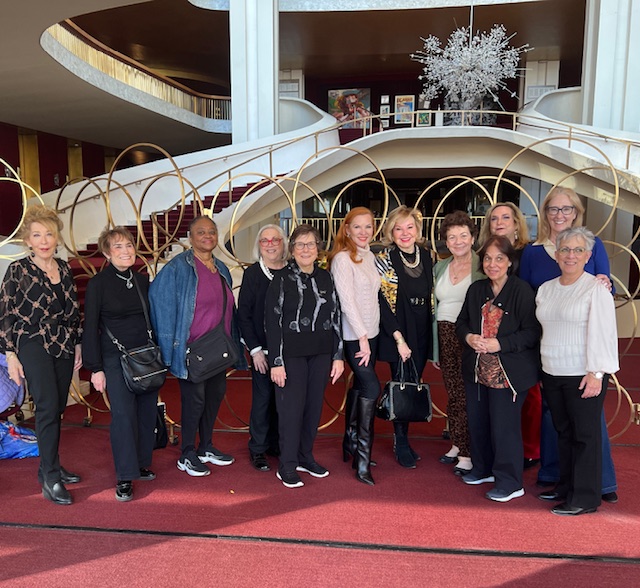
Note: They do not allow you to take photos on the tour, but we were able to get our insiders’ group photo just before we started. Other photos below were found online.
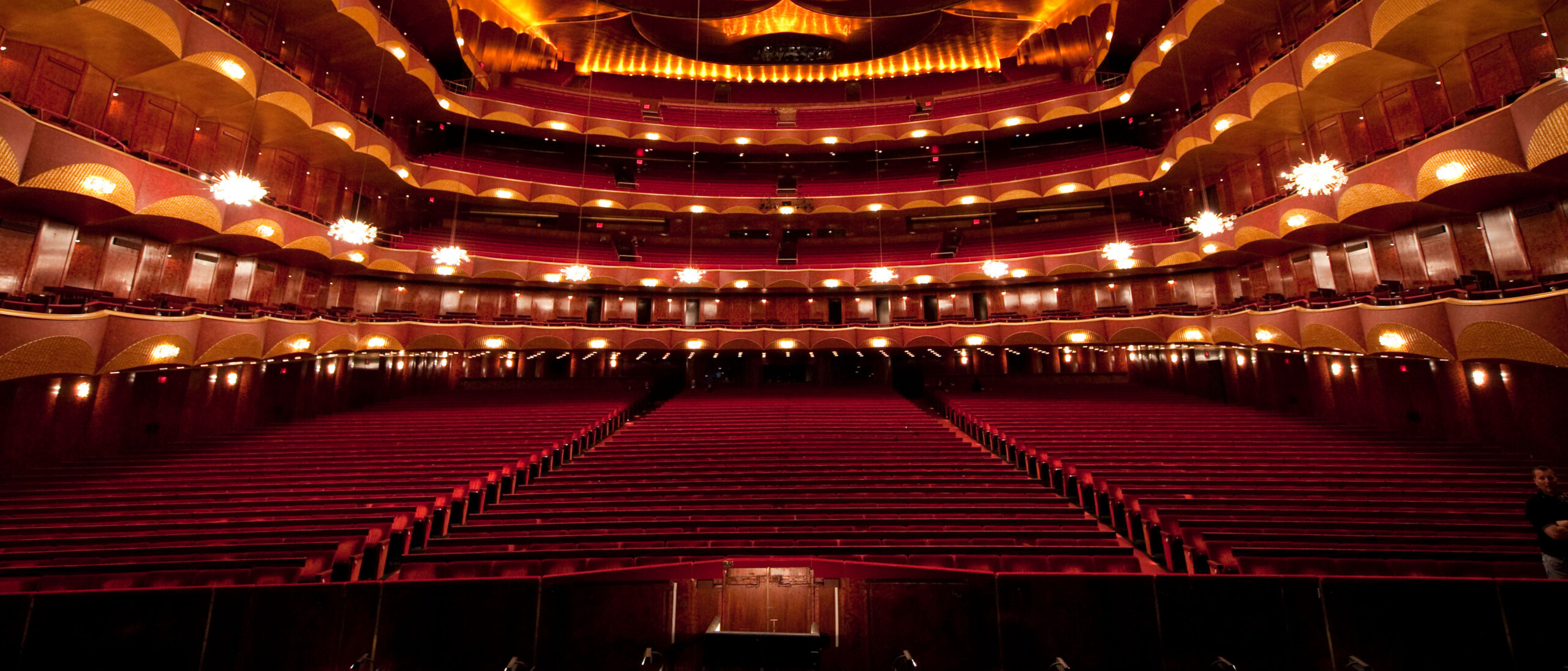
Our NYC Insider’s Club had a fabulous Sunday afternoon at our behind-the-scenes tour of the Metropolitan Opera House at Lincoln Center. The tour began with us all seated quietly in the vast auditorium. With no performance underway, the sheer scale was breathtaking—nearly 4,000 seats rising in tiers, the golden arches framing the stage. To see it empty is an extraordinary experience. It was here we learned a delightful secret: the best acoustics are said to be in the “Family Circle,” the highest and most affordable seats, where sound gathers and blooms. Every surface contributes to that resonance, including the auditorium’s wood paneling, famously sourced from a single 50 foot massive tree from England.
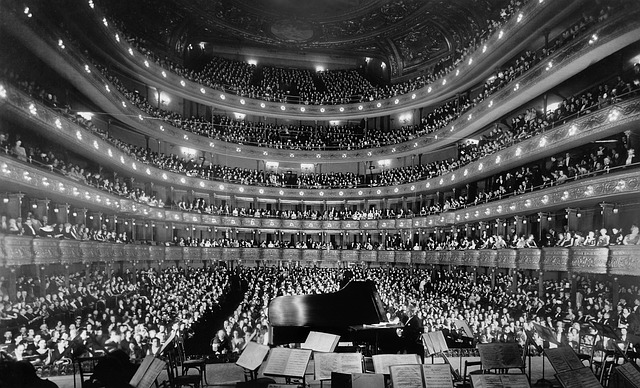
Opening nigiht of the Met Opera House in 1966
We were also reminded of the MET’s history. If you are a fan of the HBO show, the Gilded Age, you will know that there were two competing opera houses which included the original 1883 Met Opera House on Broadway and 39th Street, which eventually became one . The opera house then moved to its current location in 1966 as the centerpiece of Lincoln Center, designed by architect Wallace K. Harrison. With nearly 4,000 seats, it remains the largest repertory opera house in the world, renowned for its dazzling chandeliers, sweeping red staircase, and acoustics that have hosted the greatest voices of our time.
The Chandelier Legacy
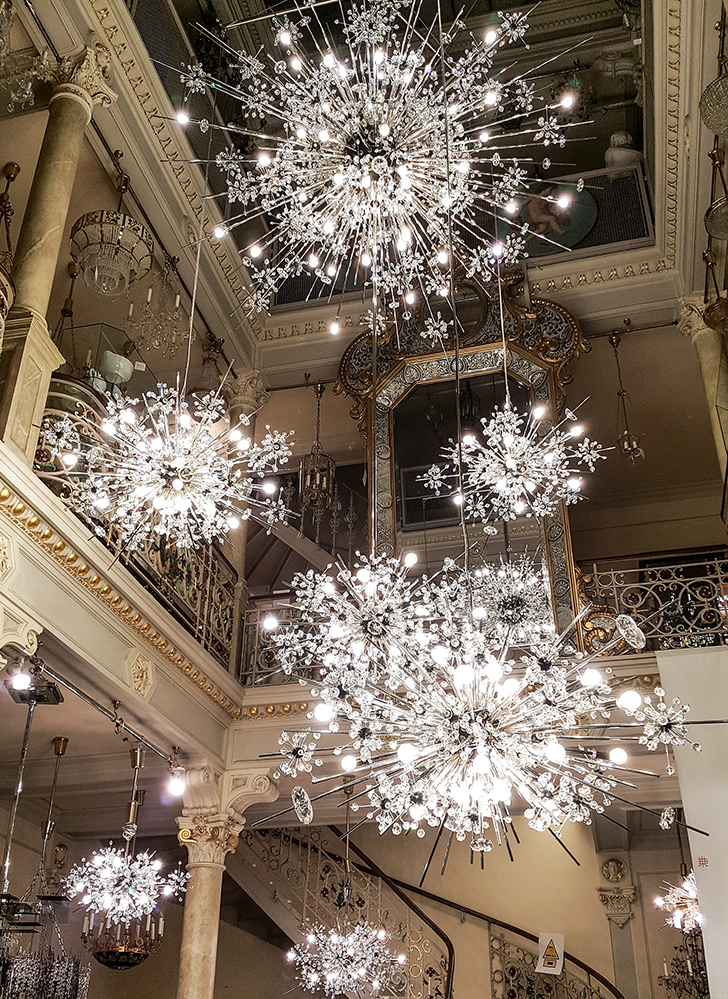
No visit to the Met is complete without gazing upward in the lobby at the dazzling Lobmeyr crystal chandeliers. Designed by Austrian artist Hans Harald Rath, these starburst fixtures were a gift from the Republic of Austria to the United States in gratitude for the Marshall Plan after World War II. On opening night in 1966, the chandeliers themselves received applause as they ascended into the ceiling with the first curtain. Their constellation-like design, inspired by the space age, has since become a beloved symbol of the Met. Eleven chandeliers illuminate the lobby, while twenty-one sparkle in the auditorium, rising before each performance like galaxies in motion.
Opera on an Unmatched Scale
The Metropolitan Opera is not only the largest classical music organization in North America—it presents about 18–25 different operas each season, with more than 200 performances annually . This rotating repertory schedule, unmatched by any other opera house, means audiences can experience multiple productions in a single week, from Baroque masterpieces to contemporary premieres.
The Met’s Backstage World
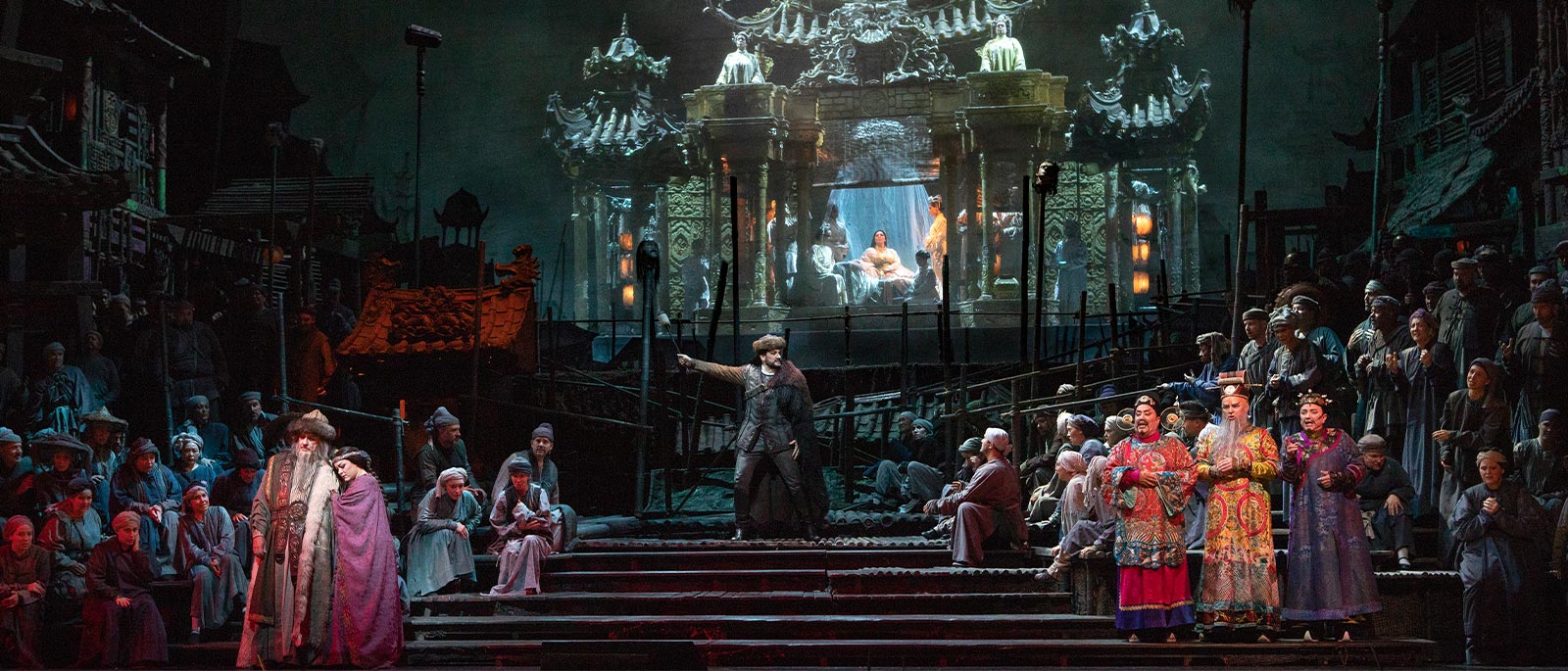
When we toured backstage, the sheer scale of the operation was astonishing. The Met’s costume shop alone is a hive of activity, with about 110 artisans—tailors, drapers, cutters, stitchers, and milliners—working year-round to clothe the multitudes who fill the stage Metropolitan Opera. In a single season, they create over 2,600 new garments, while also refurbishing and maintaining thousands more from the company’s vast archives. Each piece is meticulously crafted, often costing thousands of dollars, and designed to withstand the demands of performance while dazzling under the lights.
Beyond costumes, the Met’s workforce is immense. The opera house employs over 3,000 staff members, more than half of them full-time, representing 17 different unions . This includes not only performers, musicians, and chorus members, but also scenic artists, carpenters, electricians, wig makers, stagehands, and administrators. The scale of collaboration is unmatched in the opera world.
Here’s what we experienced on the tour:
- Costume Shop: Bolts of fabric and racks of gowns reveal the artistry of tailors who craft garments durable enough for performance yet dazzling under stage lights.
- Wig Room: Hundreds of wigs, each hand-tied, transform singers into kings, peasants, or mythical beings. The wigs for the stars are made of real hair, and yak hair is used for other performers.
- Scenic Shops: Towering sets are built and painted here, ready to rise on hydraulic elevators and transport audiences to palaces, forests, or battlefields.
- Armory: Props and weapons are carefully crafted for safety and authenticity, grounding fantastical stories in tactile reality.
- Rehearsal and Dressing Rooms: Intimate spaces where performers prepare, reminding us that opera is as human as it is grand.
Our backstage tour revealed the Met as a hive of creativity, where artisans, technicians, and performers collaborate to conjure worlds night after night. From the Austrian chandeliers sparkling overhead to the English wood resonating beneath every note, the opera house itself is a work of art. Sitting in the vast auditorium, then wandering through costume rooms and scenic shops, we glimpsed the heartbeat of the Met—a place where history, craftsmanship, and human passion converge to create the magic of opera. To learn more about the Met Opera House and their tours, click here.
And consider joining The NYC Insider’s Club and get in on the adventures. Get the details.

The tomato behind The Three Tomatoes.
Cheryl Benton, aka the “head tomato” is founder and publisher of The Three Tomatoes, a digital lifestyle magazine for “women who aren’t kids”. Having lived and worked for many years in New York City, the land of size zero twenty-somethings, she was truly starting to feel like an invisible woman. She created The Three Tomatoes just for the fun of it as the antidote for invisibility and sent it to 60 friends. Today she has thousands of friends and is chief cheerleader for smart, savvy women who want to live their lives fully at every age and every stage. She is the author of the novel, "Can You See Us Now?" and co-author of a humorous books of quips, "Martini Wisdom." Because she's lived a long time, her full bio won't fit here. If you want the "blah, blah, blah", read more. www.thethreetomatoes.com/about-the-head-tomato