
A Gilded Revival: Inside the Waldorf Astoria’s Spectacular Restoration

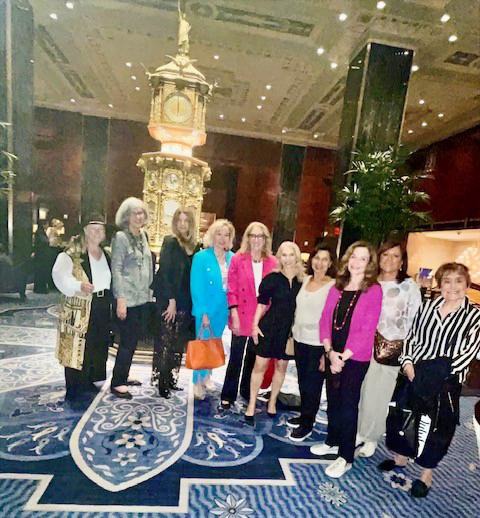

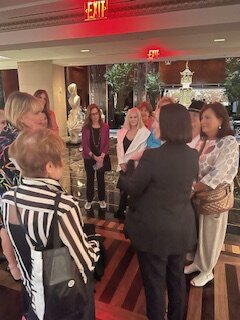
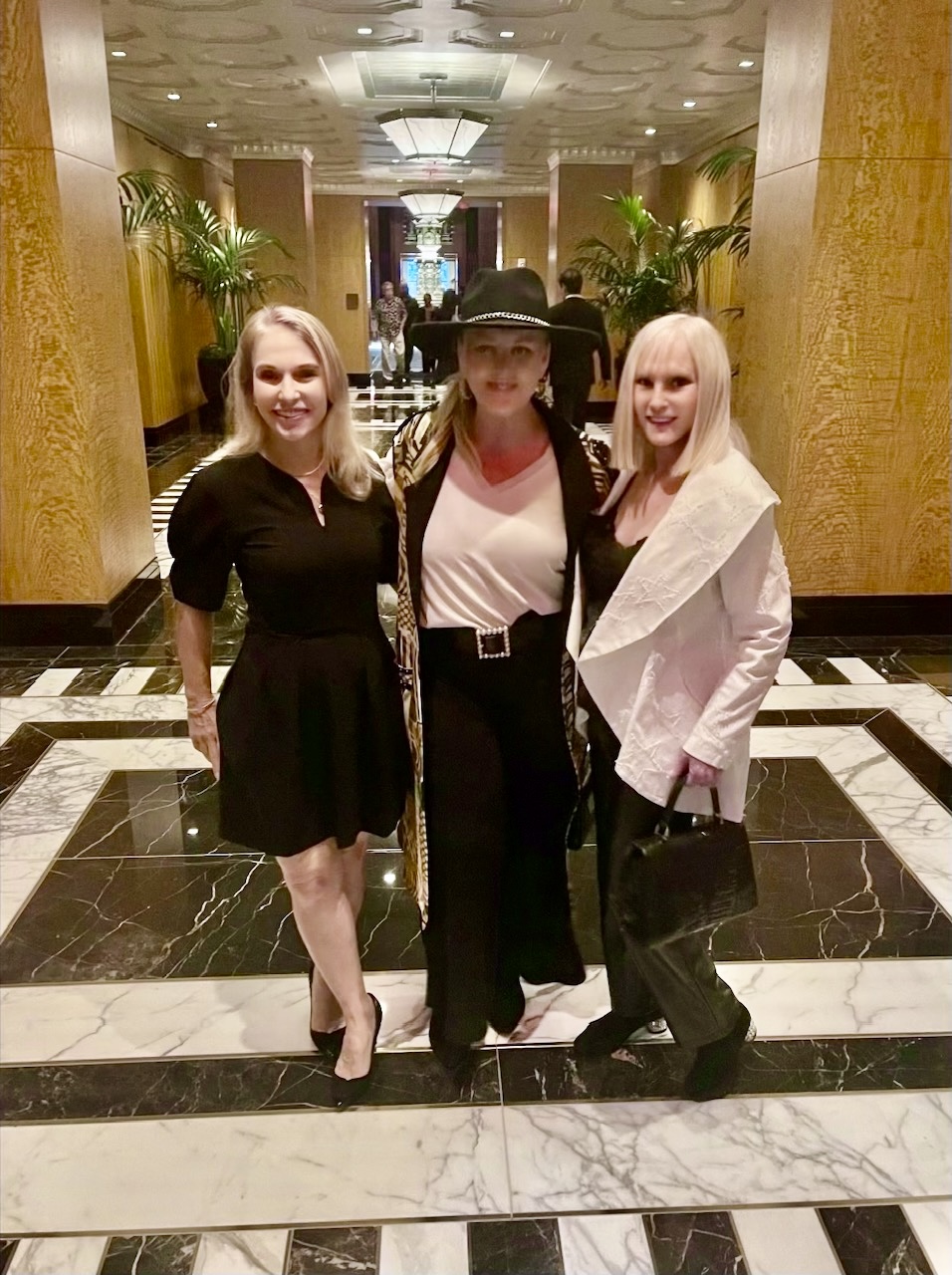
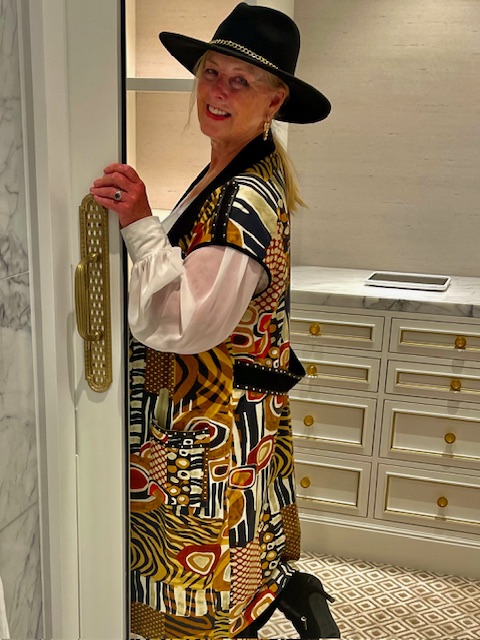

This past week, our Insider Club members stepped into a living legend. On a private tour of the newly reopened Waldorf Astoria New York, we experienced firsthand the breathtaking results of an eight-year, $2 billion renovation that honors the hotel’s storied past while ushering in a bold new era of luxury.
Where It All Began
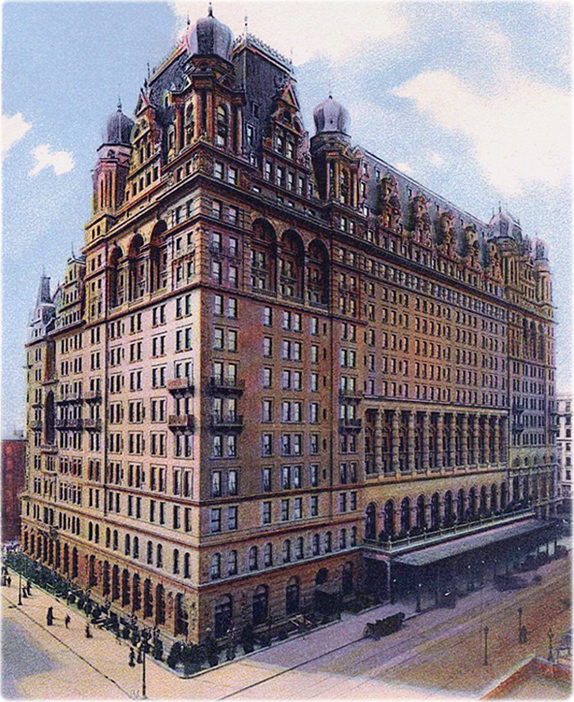
The original Waldorf Hotel opened in 1893 at Fifth Avenue and 33rd Street, on the site of William Waldorf Astor’s former mansion. Four years later, a family rivalry turned architectural when his cousin, John Jacob Astor IV, built the Astoria Hotel next door. Despite their differences, the two eventually merged their properties, creating the legendary Waldorf-Astoria—a symbol of opulence and innovation. That original structure stood until 1929, when it was demolished to make way for another New York icon: the Empire State Building.
One of the most iconic features of the original hotel was Peacock Alley—a 300-foot marble corridor where New York’s elite “peacocked” in their finest attire. It quickly became the city’s most fashionable meeting point, a glamorous runway where guests strolled, mingled, and made headlines simply by being seen. Today, Peacock Alley lives on as a signature lounge in Waldorf Astoria properties worldwide, preserving its legacy as a hub of elegance while offering modern culinary experiences in a setting steeped in history.
A Cultural Beacon Restored
The Waldorf Astoria has long been a stage for history—hosting the first Tony Awards, Met Galas, and speeches by icons like Albert Einstein. Its Grand Ballroom, once graced by Ella Fitzgerald and Frank Sinatra, has been masterfully restored. Architects Skidmore, Owings & Merrill and designer Pierre-Yves Rochon worked closely with the NYC Landmarks Preservation Commission to revive original Art Deco details, from sculpted bas-relief medallions to the luminescent cove lighting that now bathes the space in elegance.
We wandered through the Silver Corridor, where smoke-stained murals and embossed walls were uncovered and restored, and admired the Basildon Room’s imported 18th-century English paneling and frescoes—each space a testament to meticulous preservation.
What’s New: Modern Marvels Meet Timeless Style
The renovation reduced the original 1,400 guest rooms to 375 suites and 372 private residences, allowing for expansive layouts and elevated design. Our group toured one of the crown jewels: a stunning 5,000-square-foot Royal Suite that blends soft greys, geometric Art Deco motifs, and contemporary comforts like marble bathrooms and Frette linens.
New additions include discreet Portes Cochères entrances, a marble-clad lower lobby, and Lex Yard, an American brasserie serving modern takes on the classic Waldorf salad.
Historic Elements Reborn
The Waldorf Astoria’s restoration is a masterclass in architectural reverence—blending original grandeur with modern luxury. Among the thoughtfully preserved and reincorporated elements:
- Peacock Alley: Now a central gathering space in the Park Avenue location, complete with the Queen Victoria–commissioned clock that still anchors the lobby. Peacock Alley, too, continues to impress—several of our members called the Waldorf Salad “simply amazing.” Of course, it still features Cole Porter’s mahogany Steinway piano, gifted to Frank Sinatra and then to the Waldorf, where it is played nightly, keeping the spirit of the hotel alive.


- The Silver Corridor: Inspired by Versailles’ Hall of Mirrors, restored to reveal its original embossed walls and ceiling murals.


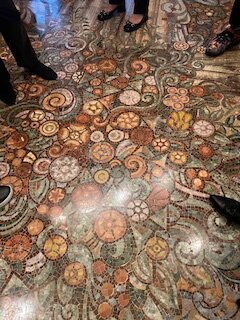
- Wheel of Life Mosaic: Louis Rigal’s 148,000-piece tile mosaic in the Park Avenue foyer, painstakingly restored alongside surrounding murals and marble ceiling panels.
- Cole Porter’s Piano: Still played nightly in the lobby, a living tribute to the hotel’s musical legacy.
- Basildon Room Paneling: Imported 18th-century English wood paneling and frescoes reinstalled to maintain a direct link to the Fifth Avenue legacy.
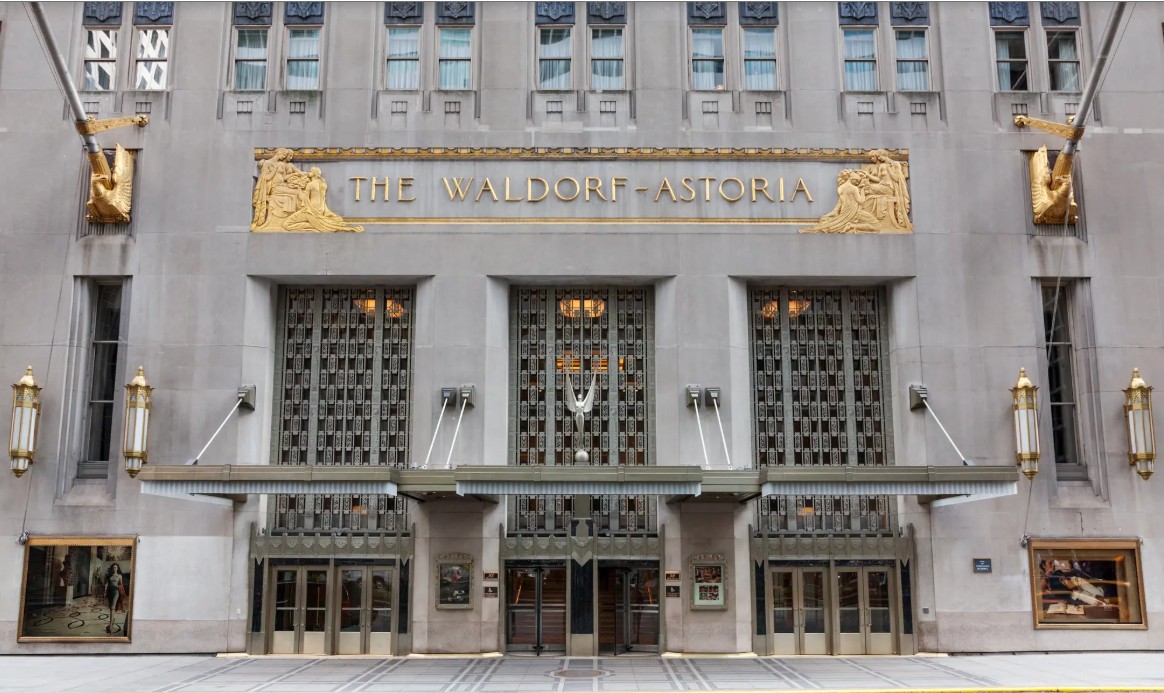
- Exterior Facade: Cleaned and repaired limestone podium, signature “Waldorf Gray” brickwork, and replicated bronze doorways matching the 1931 design.
- Grand Ballroom: Restored symmetry and Art Deco detailing, including cove lighting and sculptural medallions that once hosted legends.


A Tomato Can Dream
One of the highlights of our tour was the newly reimagined Royal Suite—a 5,000-square-foot masterpiece of modern luxury and historic reverence. With soaring ceilings, grand entertaining spaces, and bespoke design elements, the suite nods to the Waldorf’s storied past while embracing the future. It features two lavish bedrooms, a formal dining room, and a private library, ideal for dignitaries, celebrities, or anyone seeking a regal escape in the heart of Manhattan.
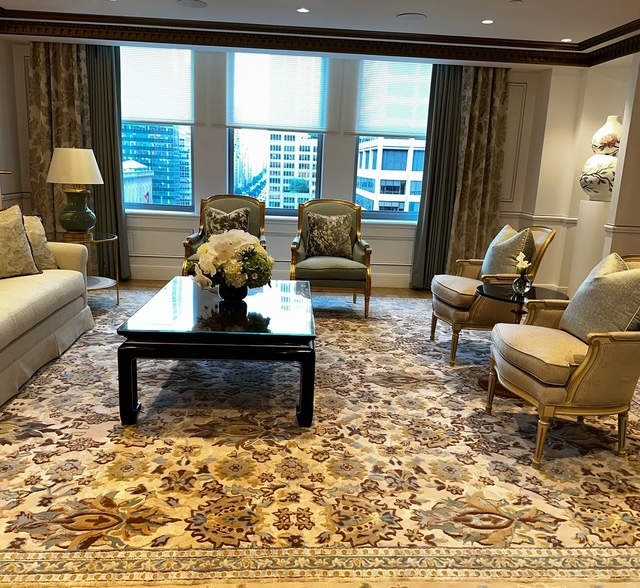
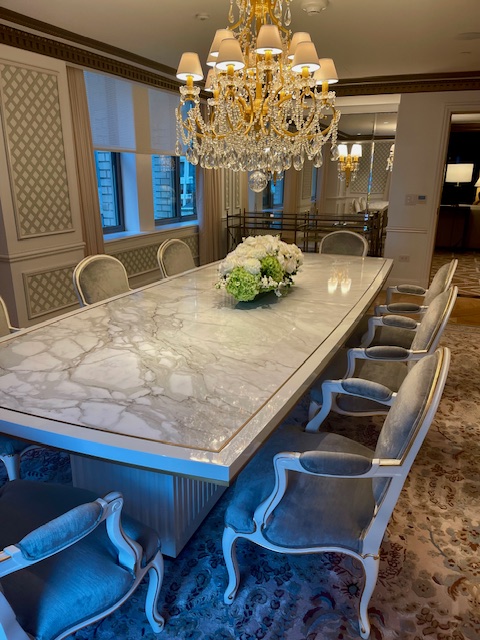
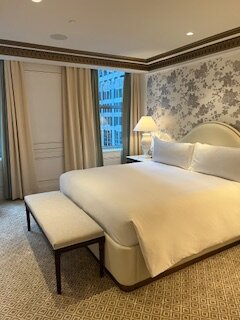
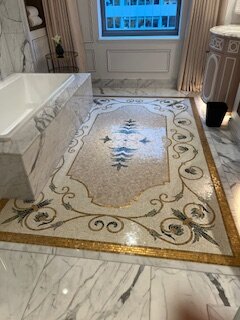
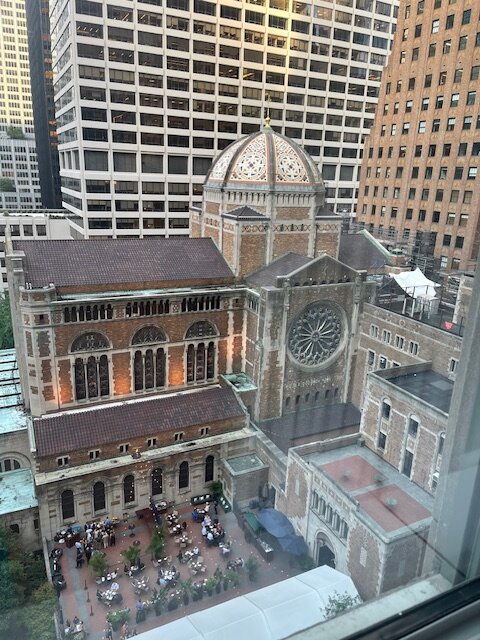
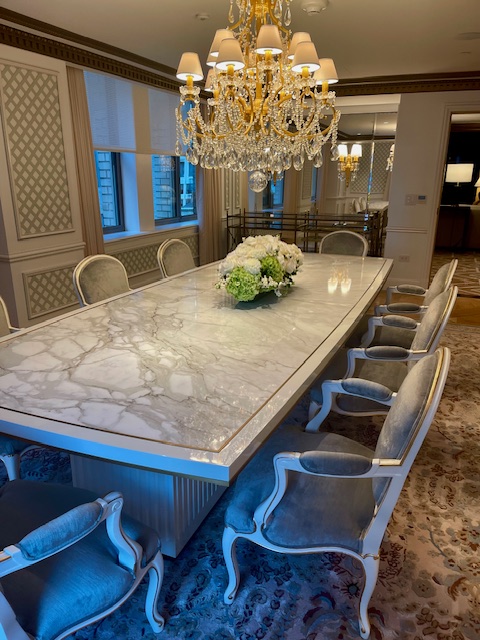
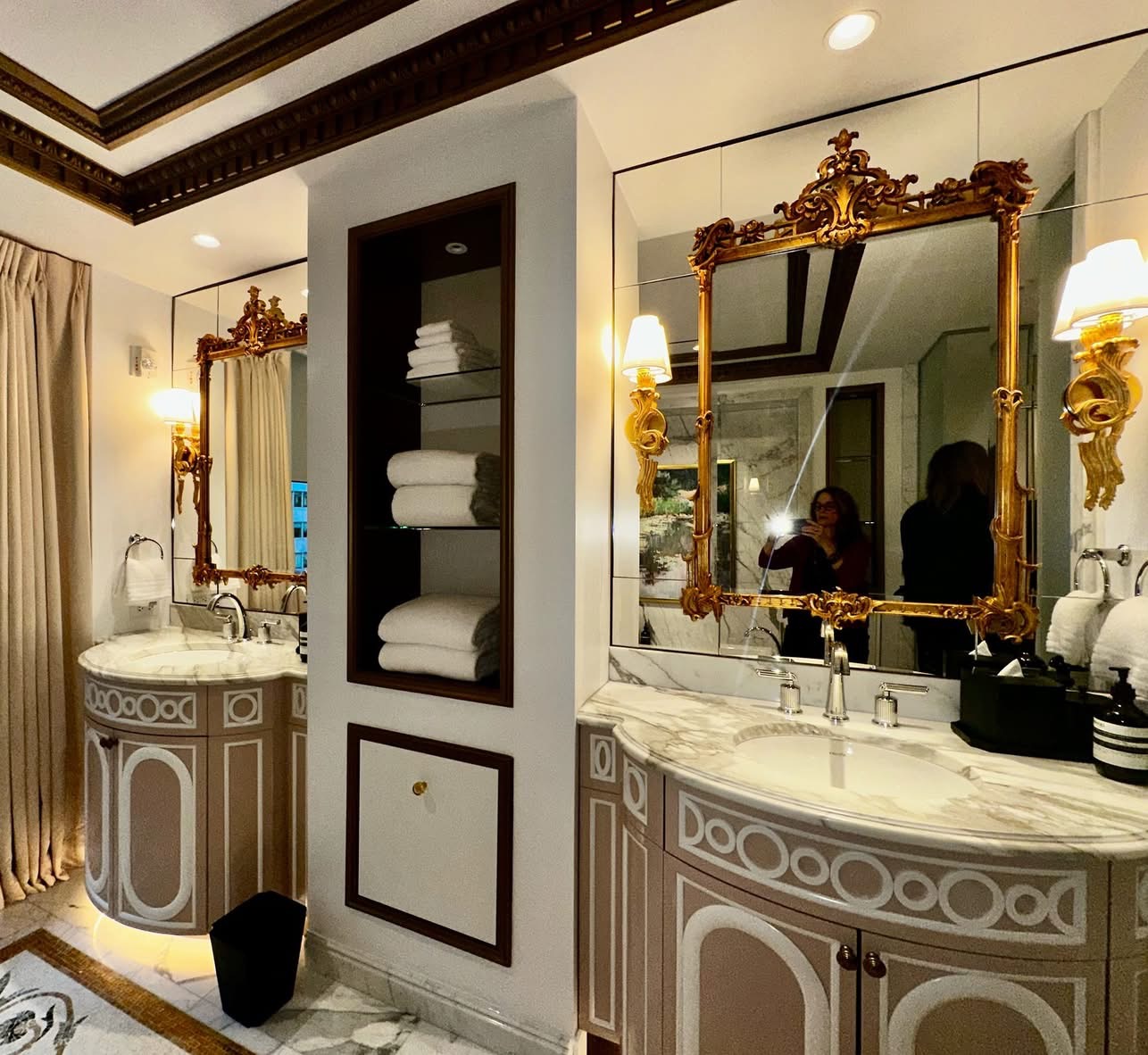
Art Deco motifs blend seamlessly with contemporary finishes—think marble bathrooms, custom millwork, and curated artwork—while discreet service entrances and state-of-the-art technology ensure privacy and comfort. Overlooking Park Avenue, the Royal Suite is not just a place to stay—it’s a statement of timeless elegance reborn. And yes, you too can experience it—for $50,000 a night.
An Insider’s Experience to Remember
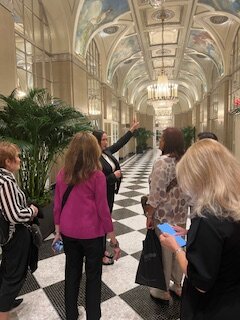
As we stood beneath the chandeliers of the Grand Ballroom, it was clear: the Waldorf Astoria isn’t just back—it’s reborn. Our Insider Club members were among the first to witness this dazzling transformation, where heritage and innovation dance in perfect harmony.


The tomato behind The Three Tomatoes.
Cheryl Benton, aka the “head tomato” is founder and publisher of The Three Tomatoes, a digital lifestyle magazine for “women who aren’t kids”. Having lived and worked for many years in New York City, the land of size zero twenty-somethings, she was truly starting to feel like an invisible woman. She created The Three Tomatoes just for the fun of it as the antidote for invisibility and sent it to 60 friends. Today she has thousands of friends and is chief cheerleader for smart, savvy women who want to live their lives fully at every age and every stage. She is the author of the novel, "Can You See Us Now?" and co-author of a humorous books of quips, "Martini Wisdom." Because she's lived a long time, her full bio won't fit here. If you want the "blah, blah, blah", read more. www.thethreetomatoes.com/about-the-head-tomato



Dear Tomatoes, as the afternoon tea consultant to the Waldorf =Astoria in its prime years prior to the restoration, and my family having an apartment from opening day for over three decades, it’s good see the grand Dame’s facelift was a success. EE